





What's Happening?
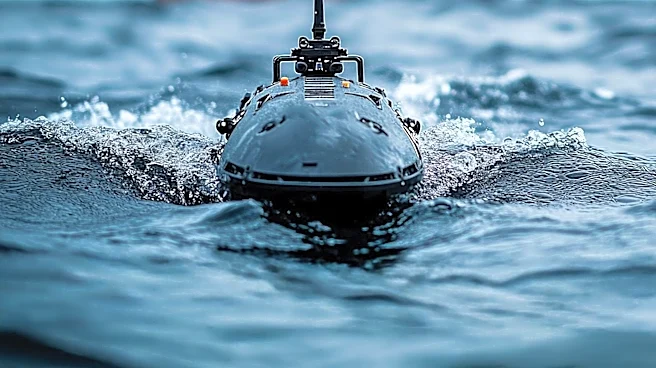
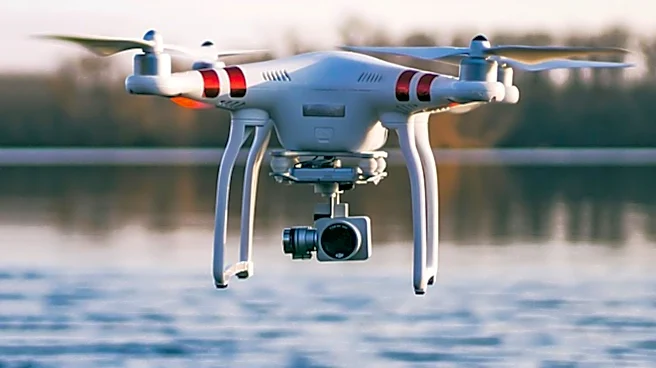
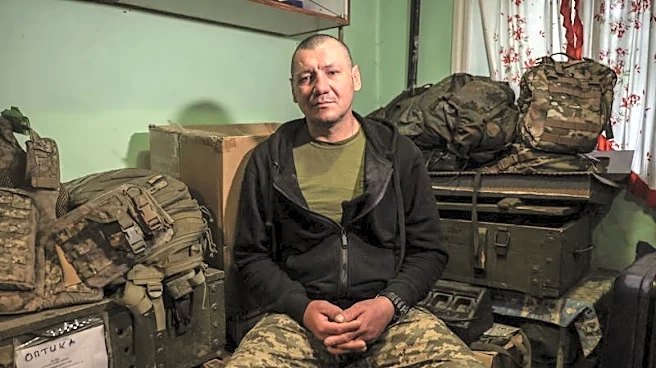
A Ukrainian drone unit has escalated its operations against Russian maritime targets, focusing on isolating Crimea and disrupting Russian logistics. Operating from southern Ukraine, these units have targeted over 180 vessels in recent weeks, expanding
their campaign from the Sea of Azov into the Black Sea. The attacks aim to increase the cost of Russia's occupation of Crimea and shift the strategic initiative towards Ukraine. The drone strikes have led to significant disruptions in Russian shipping, particularly affecting the Kerch ferry crossing and causing fuel shortages in Crimea. This campaign is part of a broader Ukrainian effort to weaken Russian military capabilities by targeting logistical routes and resources.
Why It's Important?
The intensified drone attacks by Ukraine represent a strategic shift in the ongoing conflict, highlighting the increasing role of technology and innovation in modern warfare. By targeting Russian supply lines and maritime logistics, Ukraine aims to undermine Russia's military operations and economic stability in the region. This approach not only pressures Russian forces but also boosts Ukrainian morale by demonstrating tangible results. The disruption of shipping routes and logistical hubs could have broader implications for regional security and economic activities, particularly affecting agricultural exports from Ukraine, which are crucial for its economy.
What's Next?
As Ukraine continues its drone campaign, further disruptions to Russian logistics and supply lines are expected. This could lead to increased military responses from Russia, potentially escalating the conflict in the Black Sea region. The international community may also respond to these developments, with potential diplomatic or economic measures aimed at stabilizing the situation. Additionally, Ukraine's focus on technological innovation in warfare could inspire similar strategies in other conflict zones, influencing global military tactics.
Beyond the Headlines
The use of drones in Ukraine's military strategy underscores a significant shift towards asymmetric warfare, where smaller, technologically advanced units can effectively challenge larger conventional forces. This development raises ethical and legal questions about the use of autonomous systems in conflict, as well as the potential for unintended escalation. The situation also highlights the importance of securing supply chains and infrastructure in modern warfare, as disruptions can have far-reaching consequences for both military operations and civilian populations.