






What's Happening?
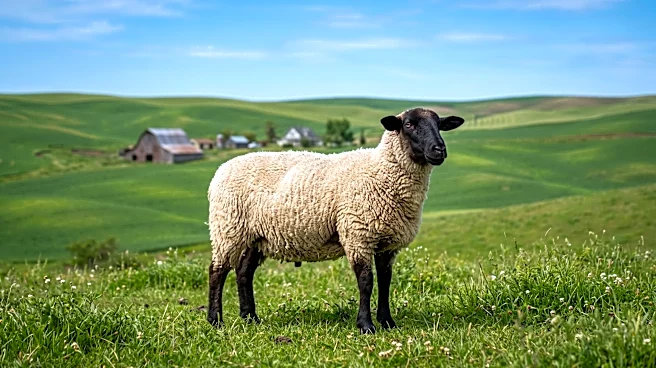
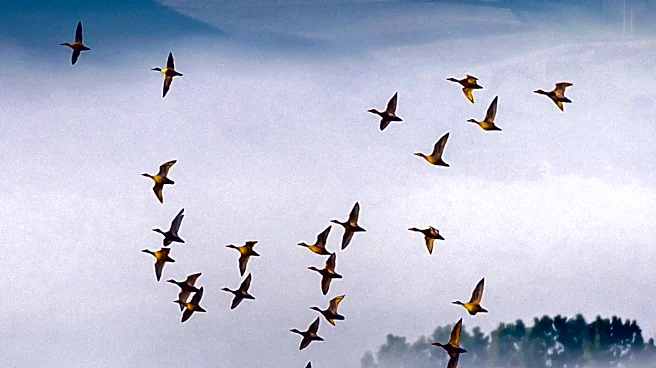
Migratory birds are increasingly linked to the introduction of new and exotic diseases into Ireland's livestock sectors, posing significant challenges to animal health standards and export capabilities. The bluetongue and Schmallenberg viruses, both midge-borne,
are now threatening dairy, beef, and sheep farms. The Schmallenberg virus, in particular, has been associated with a concerning rise in newborn lamb and calf deformities across the island of Ireland. While avian flu has long been recognized as a threat to the poultry sector due to migratory birds, these new disease introductions highlight a broader and evolving risk to the long-term sustainability of the country's livestock industries. The ability to control imported livestock has historically provided some protection, but this is changing, making vigilance and robust animal health standards critical for maintaining international market access.
Why It's Important?
The emergence of new diseases like bluetongue and Schmallenberg viruses in Ireland's livestock sector has significant economic implications, particularly for its export markets. The country's ability to export livestock products globally is directly tied to its animal disease status. A decline in animal health standards due to these new threats could lead to restrictions on exports, impacting the profitability and sustainability of dairy, beef, and sheep farming. Furthermore, the need to manage and care for sick animals, coupled with the impending limitations on antibiotic use, places additional financial and operational burdens on farmers. The situation underscores the interconnectedness of global ecosystems and agricultural economies, where natural phenomena like bird migration can have profound effects on national industries and trade relationships.
What's Next?
Livestock farmers in Ireland are urged to maintain constant vigilance against these emerging diseases. The focus will likely shift towards enhanced disease prevention strategies, especially given the anticipated restrictions on antibiotic use for common animal ailments. Efforts to complete the eradication of bovine viral diarrhea (BVD) are ongoing, which could set a precedent for tackling other significant animal health challenges, such as Johne’s disease. The Irish agricultural sector will need to adapt its animal health protocols to account for the increasing threat posed by migratory birds and the potential for new exotic diseases, ensuring that its high animal health standards are preserved to protect its vital export markets.
Beyond the Headlines
The situation in Ireland highlights a growing global concern regarding zoonotic diseases and the impact of environmental factors on agricultural health. The increasing frequency of new disease introductions, facilitated by natural processes like bird migration, points to a need for more integrated approaches to animal and public health. This includes not only robust biosecurity measures but also international cooperation in disease surveillance and research. The economic consequences of such outbreaks extend beyond immediate losses, potentially leading to long-term shifts in trade policies, consumer confidence, and the structure of agricultural industries worldwide. The challenge also raises ethical questions about animal welfare and the balance between agricultural productivity and ecological preservation.