



What's Happening?
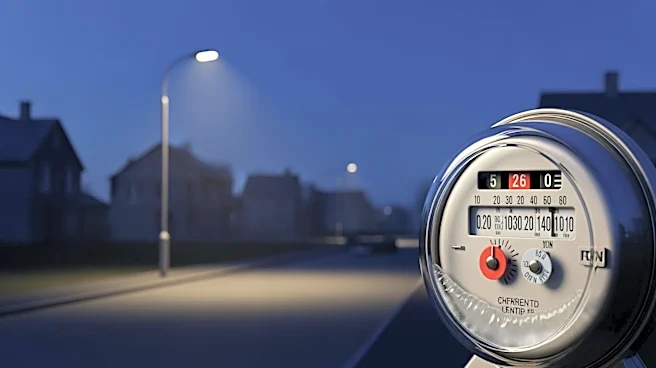
A federal report has disclosed that utility companies in the United States shut off electricity to households 13.4 million times in 2024, alongside 1.7 million gas disconnections. This data, collected for the first time under a new federal mandate, reveals
a significant level of financial distress among U.S. households. The report indicates that about half of the states do not require utilities to report disconnection statistics, which has previously obscured the full extent of the issue. The Center for Biological Diversity, which advocated for the data collection, noted that the actual number of shutoffs far exceeded previous estimates. The report also highlighted that disconnections were most frequent in Southern states, where factors such as high poverty rates, rising energy costs, and minimal consumer protections contribute to the problem.
Why It's Important?
The high number of utility disconnections underscores a growing financial strain on American households, exacerbated by rising energy costs. This situation poses significant challenges for low-income families, who may face health risks and other hardships due to lack of access to essential services like heating and refrigeration. The data also raises questions about the adequacy of existing consumer protection measures and the role of government assistance programs like LIHEAP, which the Trump administration has repeatedly proposed to eliminate. The findings could prompt policymakers to reconsider regulations governing utility companies and explore additional support mechanisms for vulnerable populations.
What's Next?
In response to the report, consumer advocates are likely to push for stricter regulations on utility companies, including limits on rate hikes and disconnection practices. There may also be increased advocacy for maintaining or expanding federal assistance programs to help low-income households manage their utility bills. Additionally, states with high disconnection rates might face pressure to implement more robust consumer protection laws. The ongoing rise in energy prices suggests that the issue of utility disconnections will remain a critical concern, potentially influencing future legislative and regulatory actions.
Beyond the Headlines
The report highlights broader systemic issues, such as income inequality and the impact of climate change on energy consumption. As energy prices continue to rise, the financial burden on households is likely to increase, potentially leading to more disconnections and exacerbating existing inequalities. The situation also raises ethical questions about the balance between corporate profits and consumer welfare, particularly in regions with high poverty rates. Long-term solutions may require a reevaluation of energy policies and investment in sustainable energy sources to reduce costs and improve access.