





What's Happening?
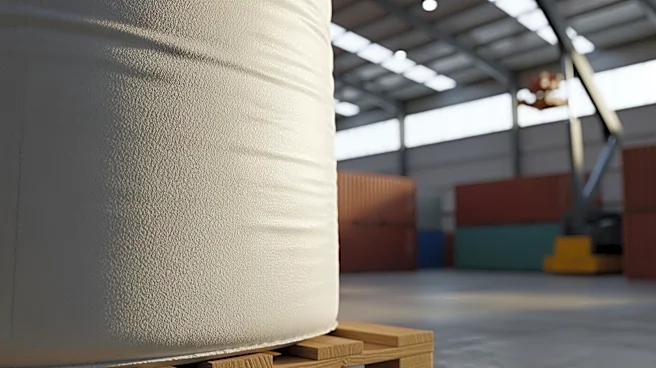
The European Union has announced a temporary suspension of customs duties on key nitrogen-based fertilizers, including urea and ammonia, for one year. This decision is a response to the disruptions caused by the Iran war, which has led to the near-total
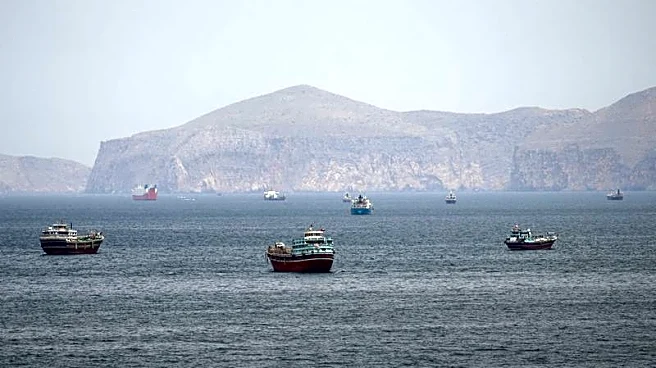
closure of the Strait of Hormuz, a critical shipping route for global fertilizer trade. The EU's move aims to mitigate the impact of rising global fertilizer prices, despite the region's limited direct dependence on Middle Eastern fertilizers. The suspension will not apply to imports from Russia or Belarus and is limited to a quota based on 2024 import volumes. The measure is set to take effect shortly after publication in the EU's Official Journal.
Why It's Important?
The EU's decision to suspend fertilizer duties is significant as it addresses the broader economic impact of the Iran war on global agricultural markets. Fertilizer prices have surged, affecting farmers worldwide, including those in Australia and Asia, where reduced planting and potential crop shortages are anticipated. By lifting duties, the EU aims to stabilize its agricultural sector and prevent further economic strain. This move highlights the interconnectedness of global trade and the ripple effects of geopolitical conflicts on essential commodities like fertilizers, which are crucial for food production and security.
What's Next?
The EU's temporary suspension of fertilizer duties is expected to provide short-term relief to European farmers facing increased costs. However, the ongoing conflict in the Middle East and its impact on global trade routes may necessitate further policy adjustments. Stakeholders, including agricultural producers and trade partners, will likely monitor the situation closely, advocating for additional measures if disruptions persist. The EU may also engage in diplomatic efforts to address the underlying geopolitical tensions contributing to the crisis.