

What's Happening?
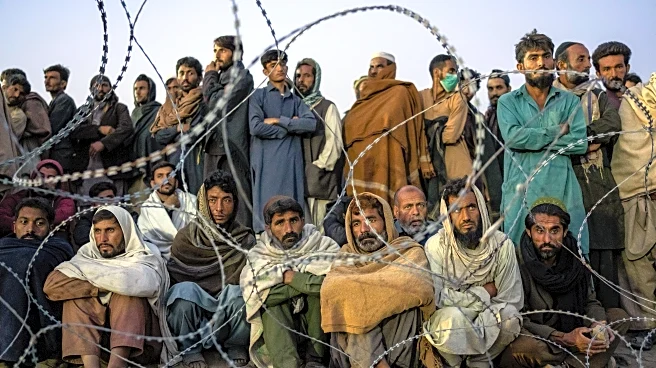
Afghanistan recently marked Liberation Day, commemorating the 1989 withdrawal of Soviet forces. The Taliban, who have been in power since 2021, used the anniversary to emphasize themes of national independence. However, their governance has been controversial
due to severe restrictions on women and girls, including barring many from secondary education and limiting employment opportunities. These actions have been condemned by Western governments and UN agencies as one of the most severe crackdowns on women's rights globally. Additionally, security concerns persist with international monitors warning about extremist networks within Afghanistan, including ties between the Taliban and al-Qaida.
Why It's Important?
The Taliban's actions have significant implications for international relations and human rights. The restrictions on women and girls not only affect Afghan society but also strain relations with Western countries and international organizations advocating for human rights. The security concerns related to extremist networks pose a threat to regional stability and could impact global security, especially if Afghanistan becomes a safe haven for transnational jihadist groups. The international community's response to these issues could influence diplomatic relations and aid policies towards Afghanistan.