







What's Happening?
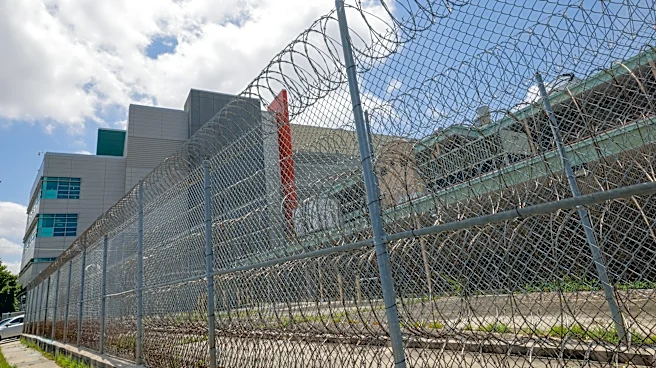
Music producer Sean 'Diddy' Combs has been transferred from Fort Dix lockup in New Jersey to Allenwood Low, a smaller federal prison in Pennsylvania. This move follows media reports detailing an alleged brawl involving Combs, which reportedly resulted
in him suffering a head injury and being hospitalized. Additionally, reports from September indicated that Combs enjoyed a relatively lavish lifestyle at Fort Dix, with access to contraband cellphones and liquor, and had other inmates performing tasks for him, such as cooking, cleaning, and providing massages. The Bureau of Prisons (BOP) confirmed the transfer but did not provide specific reasons, citing privacy, safety, and security concerns. Combs was sentenced in 2025 after being convicted of two counts of transporting people across state lines for prostitution, though he was acquitted of more serious sex trafficking and racketeering charges. He is scheduled for release in March 2028.
Why It's Important?
The transfer of Sean 'Diddy' Combs to a different federal prison, coupled with the reports of an altercation and alleged special treatment, raises significant questions about the equitable application of rules within the U.S. correctional system. The media's focus on Combs's alleged 'lavish lifestyle' at Fort Dix, including access to contraband, could undermine public confidence in the integrity and fairness of prison administration. Such reports suggest potential disparities in how inmates, particularly those with high public profiles, are managed compared to the general prison population. This situation highlights the ongoing challenges faced by the Bureau of Prisons in maintaining security, preventing contraband, and ensuring consistent treatment for all inmates. It also underscores the public's scrutiny of the justice system, especially when it involves celebrities, and the potential for perceived favoritism to erode trust in correctional institutions.
What's Next?
The Bureau of Prisons has stated that it will not disclose the specific reasons for Sean 'Diddy' Combs's transfer, adhering to its policy of protecting inmate privacy, safety, and security. Therefore, it is unlikely that official details regarding the alleged altercation or the reported special treatment will be publicly released by the BOP. Combs will continue serving his sentence at Allenwood Low, a low-security federal prison, until his scheduled release in March 2028. The transfer itself may lead to a period of adjustment for Combs within the new facility. Media and public attention will likely continue to follow any further developments related to his incarceration, though official information will remain limited. The incident may prompt internal reviews within the BOP regarding inmate management and contraband control, particularly concerning high-profile individuals.
Beyond the Headlines
The narrative surrounding Sean 'Diddy' Combs's prison transfer and the allegations of special treatment and an altercation delves into the broader societal implications of celebrity incarceration. It challenges the perception that fame and wealth can entirely insulate individuals from the realities of the correctional system, while simultaneously highlighting the potential for such status to create unique challenges for prison authorities. The reports of contraband and preferential treatment, if true, could point to systemic vulnerabilities within the prison system that extend beyond individual cases. This situation also touches upon the ethical considerations of media reporting on incarcerated individuals, balancing public interest with privacy concerns. Ultimately, it serves as a stark reminder of the complex interplay between justice, public perception, and the practicalities of managing a diverse and often challenging prison population.