




What's Happening?
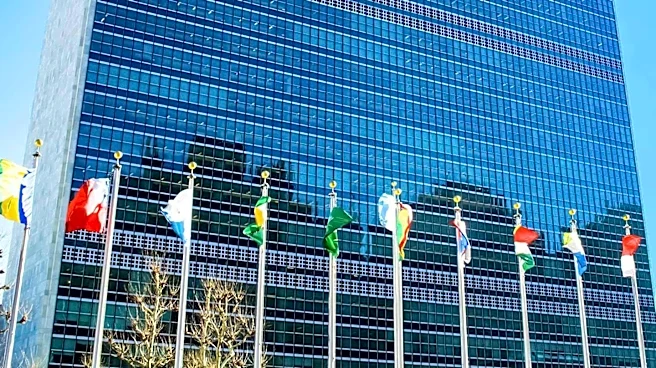
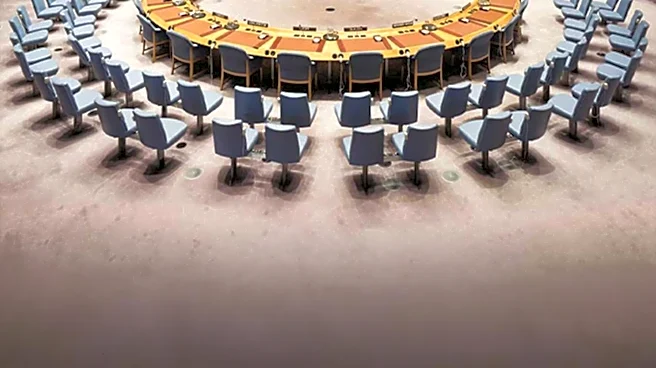
The United Nations General Assembly recently convened its 26th plenary meeting of the 81st session to discuss reforms to the Security Council. Delegates reiterated calls for the Security Council to become more responsive in its primary role of maintaining
international peace and security, with a particular focus on the use of the veto power. This meeting was held in accordance with resolution 76/262, adopted in April 2022, which mandates the General Assembly to convene a session within 10 working days whenever a veto is cast in the Security Council. The debate centered on Agenda Item 62, specifically addressing the use of the veto and its implications for the effectiveness and representativeness of the Security Council. The 193-member organ engaged in discussions regarding the structure and operational mechanisms of the Security Council, aiming to enhance its ability to address global challenges.
Why It's Important?
The ongoing debate within the UN General Assembly regarding Security Council reform and the use of the veto is critically important for the United States and the broader international community. The Security Council, with its five permanent members holding veto power, often faces criticism for its inability to act decisively on pressing global issues due to the exercise of this power. For the U.S., a permanent member, these discussions highlight the tension between maintaining its strategic influence and the growing calls for a more democratic and representative international body. A reformed Security Council could alter the balance of power, potentially impacting U.S. foreign policy objectives and its ability to garner international consensus on key security matters. The effectiveness of the UN in addressing conflicts, humanitarian crises, and threats to international peace directly affects global stability, which in turn has significant implications for U.S. national security and economic interests. The debate underscores the evolving landscape of international diplomacy and the challenges of multilateralism in the 21st century.
What's Next?
Following the General Assembly's debate, the calls for Security Council reform are expected to continue, with member states likely to propose various models for restructuring the council and modifying or limiting the use of the veto. While no immediate changes are anticipated, the ongoing discussions will maintain pressure on the permanent members, including the United States, to consider concessions or alternative approaches to the veto power. Future sessions of the General Assembly will likely revisit this agenda item, potentially leading to further resolutions or informal consultations aimed at building consensus for reform. The outcome of these discussions could influence the UN's capacity to respond to future international crises and shape the dynamics of global governance. Member states will continue to engage in diplomatic efforts to push for reforms that they believe will make the Security Council more equitable and effective.
Beyond the Headlines
Beyond the immediate procedural discussions, the debate over Security Council reform touches upon fundamental questions of global equity, power dynamics, and the future of multilateralism. The veto power, a legacy of World War II, is increasingly seen by many nations as an anachronism that undermines the democratic principles of the United Nations. For the U.S., navigating these calls for reform involves balancing its historical role and strategic interests with the imperative to maintain the legitimacy and effectiveness of international institutions. The long-term implications could include a shift in global influence, potentially empowering a broader range of nations in international decision-making. This could lead to a more distributed form of global leadership, requiring the U.S. to adapt its diplomatic strategies and engage in more collaborative approaches to international security. The ethical dimension of the veto, where the interests of a few can override the will of the many, remains a central point of contention, highlighting the ongoing struggle to reconcile national sovereignty with collective security.