






What's Happening?
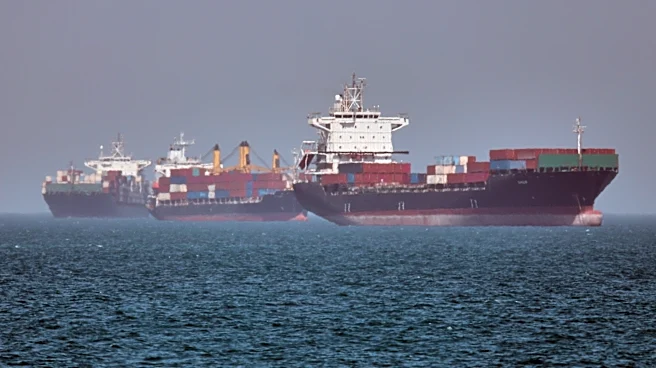
Global coal shipments and imports have surged as countries seek alternatives to disrupted oil and gas supplies from the Middle East. The closure of the Strait of Hormuz and damage to Qatar's LNG facilities have exacerbated the energy crisis, leading to increased
coal demand. South Korea and Japan have significantly boosted coal imports, while Europe struggles to secure LNG supplies. The energy crisis has prompted policy shifts, with some countries delaying coal plant retirements to ensure energy security. Analysts note that the situation highlights the ongoing reliance on coal despite efforts to transition to cleaner energy sources.
Why It's Important?
The resurgence of coal demand underscores the challenges of transitioning to renewable energy amid geopolitical tensions. The energy crisis has forced countries to prioritize energy security over environmental goals, highlighting the complexities of global energy markets. The increased reliance on coal could have long-term implications for climate policy and emissions targets. The situation also emphasizes the need for diversified energy sources and resilient supply chains to mitigate the impact of geopolitical disruptions. As countries navigate these challenges, the balance between energy security and sustainability will remain a critical issue for policymakers and industry stakeholders.
What's Next?
The ongoing energy crisis may lead to further policy adjustments as countries seek to stabilize their energy supplies. The increased coal demand could prompt discussions on the future of coal in the global energy mix and its environmental impact. Policymakers may need to explore strategies to enhance energy resilience and reduce dependence on volatile regions. The situation could also accelerate investments in renewable energy and infrastructure to reduce reliance on fossil fuels. As the crisis unfolds, stakeholders will need to address the trade-offs between energy security, economic stability, and environmental sustainability.