








What's Happening?
The U.S. Department of Agriculture (USDA) has issued a new rule requiring retailers participating in the Supplemental Nutrition Assistance Program (SNAP) to offer a wider variety of nutritious foods. This rule mandates that SNAP-authorized retailers stock
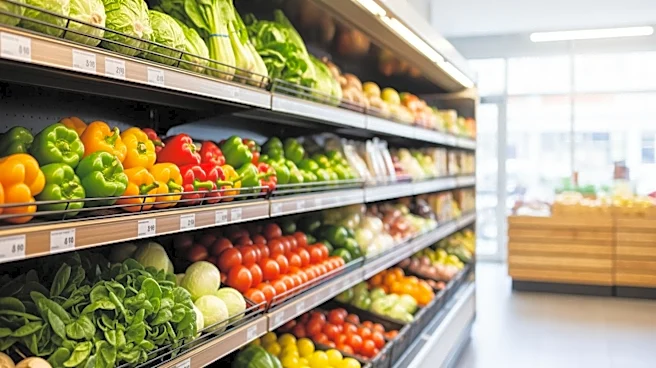
seven varieties of items across four staple food categories: protein, grains, dairy, and fruits and vegetables. The change aims to double the availability of whole foods and increase perishable food requirements, closing loopholes that previously allowed certain snack foods to count towards staple food requirements. The USDA's action follows a history of enforcement against retailers failing to meet stocking standards, with disqualification from SNAP benefits as a consequence. The rule is part of a broader effort to improve nutrition and health outcomes for SNAP participants.
Why It's Important?
This development is significant as it addresses the nutritional needs of vulnerable families relying on SNAP benefits. By ensuring a broader range of healthy food options, the USDA aims to combat health issues linked to poor diet, such as obesity and diabetes. The rule also holds retailers accountable, potentially reducing program violations like benefit trafficking. With SNAP retailers handling over $90 billion annually, the emphasis on nutritious offerings could lead to improved public health outcomes and reduced healthcare costs. The initiative reflects a governmental push towards enhancing food security and public health through better access to nutritious foods.
What's Next?
The new stocking standards will take effect in Fall 2026, with the USDA planning to issue further guidance to retailers. This transition period will allow retailers to adjust their inventory to meet the new requirements. The USDA's enforcement of these standards will likely involve monitoring and potential penalties for non-compliance. Retailers, especially those in food deserts, may face challenges in sourcing and maintaining the required variety of perishable items. The success of this initiative will depend on effective implementation and cooperation from retailers, as well as ongoing support from the USDA to address logistical challenges.