
What's Happening?
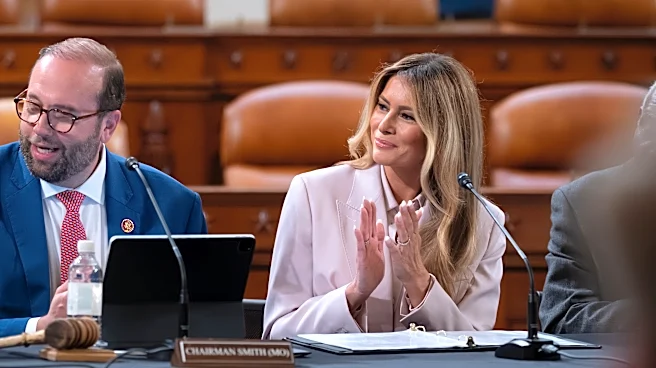
Health Secretary Robert F. Kennedy Jr. appeared before the House Ways and Means Committee to defend a proposed 12% budget cut to his department. During the hearing, Kennedy faced criticism from Democrats
over his handling of vaccine recommendations and public health messaging. Under his leadership, the Centers for Disease Control and Prevention (CDC) has reduced its pro-vaccine public messaging, which has been linked to recent measles outbreaks. Kennedy, a former anti-vaccine activist, was questioned by Rep. Linda Sanchez about the potential impact of these policy changes, including the death of a child from measles in Texas. Kennedy acknowledged that vaccination could have potentially saved the child. The hearing also highlighted tensions between Kennedy and his former party, with Democrats expressing dissatisfaction with his budget cuts to programs like WIC and SNAP.
Why It's Important?
The hearing underscores the ongoing debate over public health policy and budget priorities in the U.S. Kennedy's approach to vaccine recommendations has significant implications for public health, particularly in light of recent measles outbreaks. The reduction in pro-vaccine messaging could lead to lower vaccination rates, increasing the risk of preventable diseases. Additionally, the proposed budget cuts to essential programs like WIC and SNAP could affect vulnerable populations, raising concerns about the administration's commitment to social welfare. The political dynamics at play, with Kennedy's strained relationship with Democrats, reflect broader partisan divides on health policy and government spending.
What's Next?
Kennedy is expected to attend several more budget hearings across congressional committees in the coming week. These hearings will likely continue to focus on his department's budget and policy decisions, with potential pushback from both parties. The outcome of these discussions could influence future public health strategies and funding allocations. Stakeholders, including public health advocates and policymakers, will be closely monitoring these developments to assess their impact on public health and social programs.
Beyond the Headlines
The hearing highlights deeper issues related to public trust in health institutions and the role of government in promoting public health. Kennedy's past as an anti-vaccine activist and his current policy decisions raise questions about the influence of personal beliefs on public health policy. The debate also touches on ethical considerations regarding the balance between individual freedoms and collective health responsibilities. Long-term, these discussions could shape public perceptions of health agencies and influence future health policy directions.