








What's Happening?
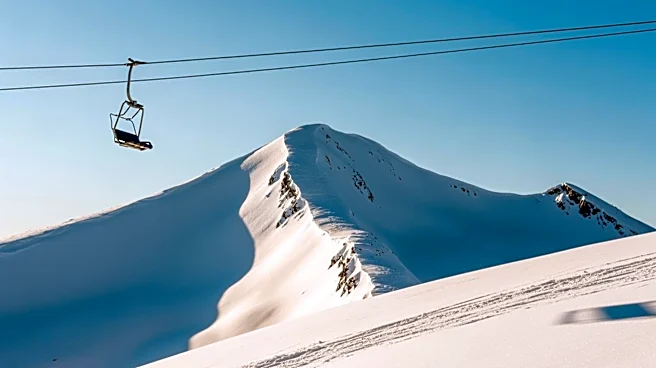
Vermont ski areas have reported their most successful winter season in over a decade, with a significant increase in skier visits. According to a community announcement following Ski Vermont's annual meeting at Jay Peak Resort, the 2025-26 season saw
4.36 million skier visits, marking a 4.7% rise from the previous winter and an 11% increase compared to the 10-year average. This growth places Vermont ahead of both regional and national trends, as the state finished 1.5% above the Northeast's overall growth rate and well above the national average, which saw a decline. Vermont remains the top ski destination on the East Coast and ranks fourth nationally for skier visits. The ski areas averaged 118 operating days, slightly above the 10-year average, with an average snowfall of 194 inches, which, although less than the previous winter, remains above the long-term average.
Why It's Important?
The record visitation at Vermont ski resorts highlights the state's strong position in the ski industry, particularly in the Eastern United States. This growth is significant as it demonstrates Vermont's ability to attract visitors despite broader national declines in ski tourism. The increase in skier visits not only boosts the local economy through tourism revenue but also underscores the effectiveness of Vermont's ski areas in providing quality experiences, aided by consistent snowmaking and favorable weather conditions. The success of the ski season is crucial for local businesses and the state's economy, as it supports jobs and generates income for the region. Additionally, the growth in cross-country skiing, with a 5% increase in visits, further diversifies the state's winter sports offerings.
What's Next?
Looking ahead, Vermont ski areas are likely to continue investing in snowmaking and infrastructure to maintain and enhance their appeal to visitors. The success of the 2025-26 season may encourage further development and marketing efforts to attract even more tourists. Stakeholders in the Vermont ski industry, including local businesses and tourism boards, will likely focus on sustaining this growth by promoting the state's unique offerings and ensuring high-quality visitor experiences. The recognition of industry contributors at the annual meeting suggests a continued emphasis on community and collaboration within the Vermont ski industry.