




What's Happening?
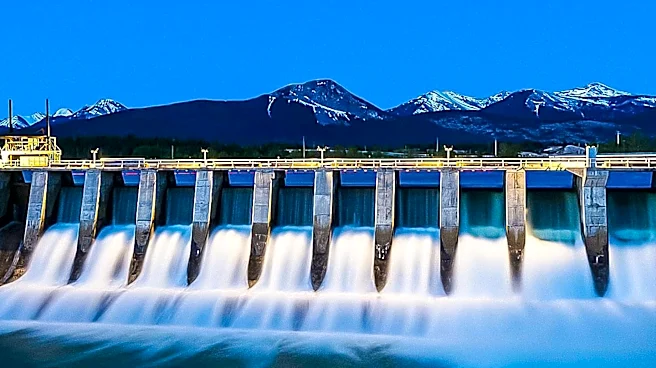
Statkraft is investing approximately $49 million (NOK 460 million) to fully renew the control systems at the Målset, Refsdal, and Hove plants within Norway's Vikfalli hydropower complex. This project, which has ABB as the primary supplier and involves
local contractors, aims to modernize aging infrastructure that currently poses a growing fault risk. The three plants collectively produce around 860 GWh per year, sufficient to power approximately 50,000 Norwegian households. The control system upgrade is a critical prerequisite for a larger grid transition to 420 kV, planned for around 2031, which is being coordinated with Statnett and Sygnir. According to Inge Hass, Statkraft’s power plant manager for the Sogn power plant group, modernizing these systems will reduce the risk of faults and outages while improving monitoring and troubleshooting capabilities. This investment is part of Statkraft's broader $8.5 billion (NOK 80 billion) national investment plan over the next decade, with about $7.5 billion (NOK 70 billion) specifically allocated to hydropower maintenance and upgrades.
Why It's Important?
This significant investment by Statkraft underscores the critical need for infrastructure modernization in the energy sector, particularly for renewable sources like hydropower. The upgrade addresses the increasing fault risk associated with aging control systems, which are the operational 'brain' of power plants. Ensuring the reliable operation of the Vikfalli complex, which supplies a substantial amount of electricity to Norwegian households, is vital for regional energy security and grid stability. Furthermore, the project is a foundational step for a larger grid upgrade to 420 kV, highlighting the interconnectedness of different infrastructure projects and the necessity of sequential development. The broader investment plan by Statkraft, focusing on maintaining and extending the life of existing hydropower plants, demonstrates a strategic approach to leveraging current assets for long-term energy production rather than solely pursuing new construction. This approach also generates economic benefits by creating contracts for local and national contractors and stimulating activity in the supplier industry.
What's Next?
The control system renewal project at the Vikfalli complex is commencing now and is expected to be completed before the larger grid transition to 420 kV, which is planned for around 2031. Statkraft views this as the initial phase in a more extensive development of both the facilities and the regional power system. Once the new systems are operational, Statkraft anticipates improved day-to-day plant management, including enhanced remote monitoring, faster troubleshooting, and more efficient operations, reducing the need for on-site staff for every issue. The successful completion of this upgrade is essential for the subsequent grid modernization efforts coordinated with Statnett and Sygnir. The project's progress will also inform future investment decisions within Statkraft's $8.5 billion national plan, particularly regarding the maintenance and upgrade of other hydropower facilities across Norway.
Beyond the Headlines
The Vikfalli upgrade highlights a broader trend in the energy industry: the increasing focus on maintaining and optimizing existing renewable energy infrastructure. While the development of new renewable projects often garners more attention, the longevity and efficiency of current assets are crucial for a stable energy transition. This project also illustrates the complex interplay between operational technology (control systems) and grid infrastructure development, where one often serves as a prerequisite for the other. The emphasis on local contractors and suppliers within Statkraft's investment plan points to the significant economic and community benefits derived from such large-scale infrastructure projects, extending beyond direct energy production. This approach ensures that the transition to a more sustainable energy future is not only technologically sound but also economically inclusive and regionally beneficial.