


What's Happening?
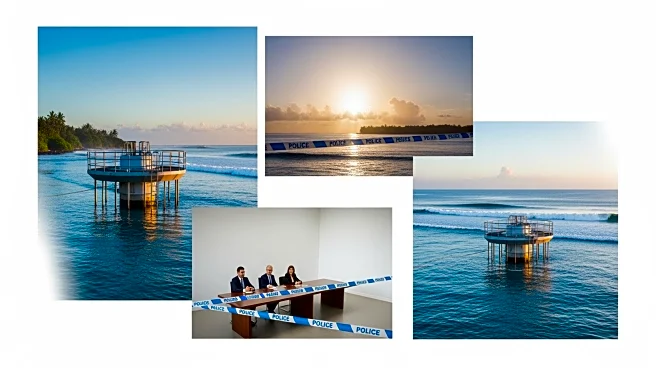
Hawai'i is exploring the use of seawater air conditioning to reduce electricity consumption on O'ahu. The island's energy system is transitioning to full electrification, replacing fossil fuels with electric technologies. Seawater cooling involves pumping
cold deep ocean water to shore, using it to cool freshwater in a district cooling network. This method significantly reduces electricity use compared to conventional systems. A feasibility study identified potential for seawater cooling in dense urban areas like downtown Honolulu and Waikīkī, which could save approximately 160GWh annually, representing about 2% of O'ahu's total electricity demand. The initiative is part of a broader strategy to decrease reliance on fossil fuels and enhance energy efficiency.
Why It's Important?
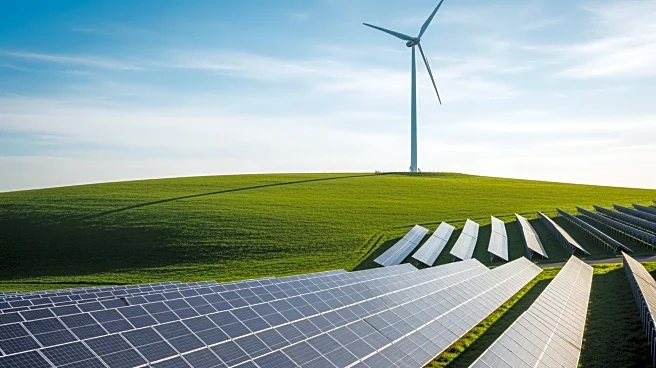
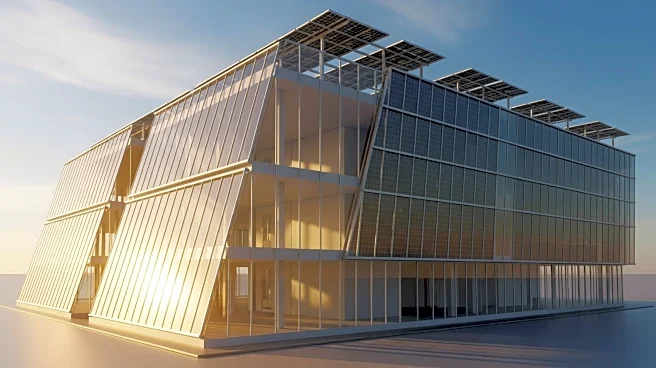
The implementation of seawater cooling on O'ahu is significant as it addresses a major electricity load—space cooling—by leveraging the island's natural resources. This initiative not only reduces electricity consumption but also helps manage peak demand, which is crucial for grid stability. By decreasing the need for additional generation and storage capacity, the project supports Hawai'i's renewable energy goals. The environmental benefits include reduced urban heat and increased rooftop space for solar panels. This project exemplifies how targeted efficiency measures can complement broader electrification and renewable energy strategies, contributing to a more sustainable energy system.
What's Next?
The next steps involve addressing environmental concerns, such as ensuring that the return of warmed seawater does not harm marine ecosystems. The project will undergo rigorous environmental permitting processes. If successful, the initiative could serve as a model for other coastal regions with similar conditions. Continued investment in renewable energy and efficiency measures will be necessary to meet Hawai'i's energy goals. Stakeholders, including government agencies and local communities, will play a crucial role in the project's development and implementation.
Beyond the Headlines
Seawater cooling represents a shift towards using natural resources for energy efficiency, highlighting the importance of innovative solutions in the fight against climate change. The project underscores the potential of integrating traditional and modern technologies to create sustainable urban environments. It also raises questions about the scalability of such solutions in less densely populated areas, emphasizing the need for diverse approaches to energy challenges.