








What's Happening?
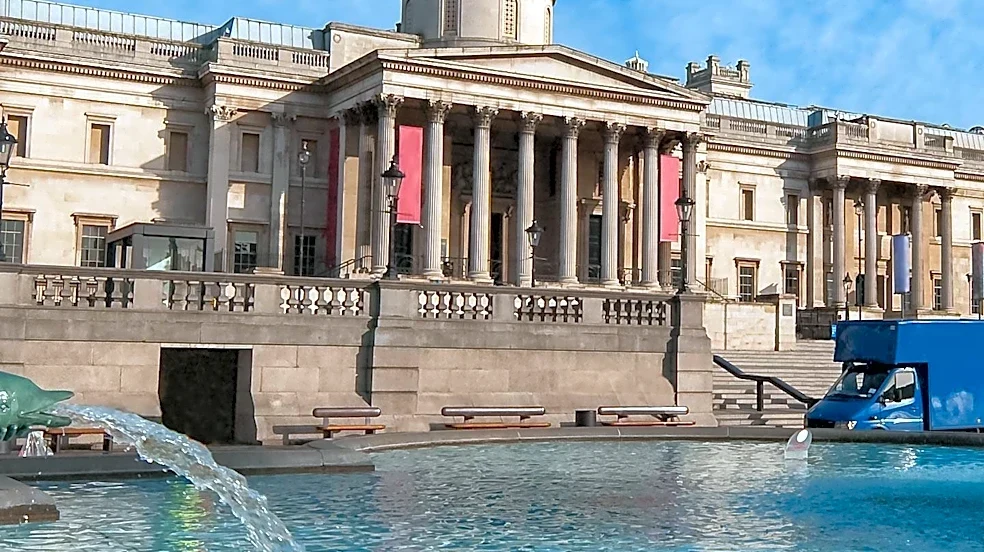
The National Gallery in London is preparing to host a major exhibition titled 'Collected,' which will feature approximately 40 works of art acquired through the Acceptance in Lieu and Cultural Gifts schemes. These UK government initiatives allow individuals
to transfer significant cultural, scientific, or historic assets to the nation in lieu of inheritance tax or in exchange for tax reductions. The exhibition is scheduled to run from May 22 to September 5, 2027, in London, before embarking on a tour to Edinburgh, Belfast, and Cardiff. The collection will include diverse pieces ranging from a medieval cup to contemporary paintings, with notable works by artists such as Rembrandt, Pablo Picasso, Renée Magritte, Lucian Freud, and Damien Hirst. The exhibition aims to highlight the journey of these objects from private ownership into public collections and underscore the importance of these schemes in enriching the UK's cultural heritage. Arts Council England administers both schemes, which have facilitated the transfer of thousands of objects to public institutions over several decades.
Why It's Important?
This exhibition is significant as it publicly showcases the tangible results of the Acceptance in Lieu and Cultural Gifts schemes, which are crucial mechanisms for preserving and making accessible valuable artworks and historical artifacts for the British public. By bringing these works together, the National Gallery aims to raise awareness about how these tax-incentive programs contribute to national collections, allowing museums and galleries across the UK to acquire pieces they might not otherwise be able to afford. This not only enriches the cultural landscape but also ensures that significant historical and artistic items remain within the public domain rather than being sold privately or leaving the country. The tour to various cities across the UK further emphasizes a commitment to broader public engagement, making these national treasures accessible to diverse audiences beyond London. The exhibition also highlights the collaborative efforts between various cultural institutions and government bodies in safeguarding national heritage.
What's Next?
Following its run at the National Gallery in London from May 22 to September 5, 2027, the 'Collected' exhibition will embark on a multi-city tour across the UK. The exhibition is slated to open at the National Galleries of Scotland in Edinburgh on June 24, 2028, where the works will be integrated into existing permanent displays. Subsequently, it will move to the Ulster Museum in Belfast, running from October 26, 2028, to January 28, 2029. The final stop will be Amgueddfa Cymru – Museum Wales in Cardiff in spring 2029. Each venue will present the core group of eight paintings, supplemented by additional works from their own collections or other loans, tailored to complement their existing holdings. This extensive tour is designed to maximize public access to these culturally significant acquisitions and further promote the understanding and appreciation of the Acceptance in Lieu and Cultural Gifts schemes.
Beyond the Headlines
The 'Collected' exhibition delves deeper than just showcasing art; it illuminates the intricate interplay between fiscal policy, cultural preservation, and public access. The Acceptance in Lieu and Cultural Gifts schemes represent a unique model where private wealth contributes directly to public good, offering tax incentives in exchange for cultural assets. This approach raises questions about the role of government in cultural patronage and the ethical considerations of using tax benefits to shape national collections. It also highlights the ongoing debate about the valuation of art and historical artifacts, as independent panels advise ministers on the fairness of values for both the nation and taxpayers. Furthermore, the exhibition implicitly underscores the evolving nature of national identity as reflected through its art collections, encompassing works from various periods and cultures. The long-term impact of these schemes is the continuous enrichment of public institutions, ensuring that future generations have access to a comprehensive and diverse cultural heritage.