
What's Happening?
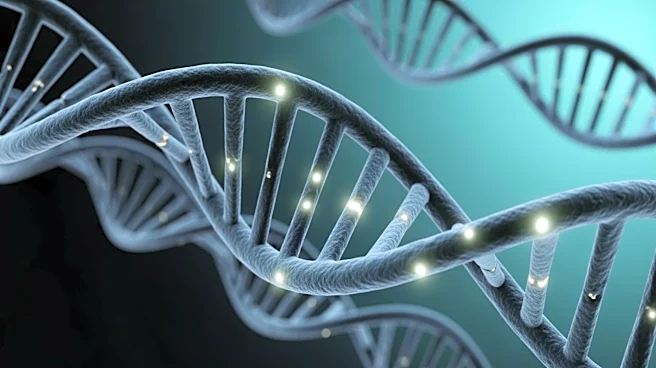
Recent scientific research has identified DNA mutations in immune cells as potential contributors to autoimmune diseases. The study, published in Nature, utilized advanced DNA sequencing techniques to uncover
somatic mutations—DNA changes acquired throughout life—that may play a significant role in these diseases. Traditionally associated with cancer, these mutations are now observed in immune cells, potentially disrupting the body's natural regulatory mechanisms and leading to autoimmune conditions such as Hashimoto's and Graves' disease. The research highlights frequent genetic mutations in patients with thyroid autoimmune disorders, particularly affecting immune-checkpoint genes. While these findings offer strong evidence of the role mutations may play, further investigation is required to determine whether these mutations are causative or merely exacerbate autoimmune diseases.
Why It's Important?
The discovery of DNA mutations as potential drivers of autoimmune diseases could have significant implications for medical research and treatment strategies. Autoimmune diseases affect millions of people in the U.S., often leading to chronic health issues and impacting quality of life. Understanding the genetic factors involved could pave the way for more targeted therapies and personalized medicine approaches, potentially improving outcomes for patients. Additionally, this research may shift the focus of autoimmune disease studies from environmental factors to genetic predispositions, influencing future funding and research priorities. The findings could also lead to the development of new diagnostic tools, enabling earlier detection and intervention, which is crucial for managing these conditions effectively.
What's Next?
Further research is necessary to establish whether the identified DNA mutations are direct causes of autoimmune diseases or if they simply exacerbate existing conditions. Scientists will likely conduct additional studies to explore the mechanisms by which these mutations affect immune system regulation. This could involve larger-scale genetic analyses and clinical trials to test potential therapies targeting these mutations. The medical community may also see increased collaboration between geneticists and immunologists to develop comprehensive treatment plans. As the research progresses, there may be discussions on ethical considerations regarding genetic testing and the implications for patients diagnosed with autoimmune diseases.
Beyond the Headlines
The identification of DNA mutations in autoimmune diseases raises important ethical and legal questions regarding genetic testing and privacy. As genetic research advances, there may be concerns about how genetic information is used and shared, particularly in relation to insurance and employment. Additionally, the findings could influence cultural perceptions of autoimmune diseases, shifting the narrative from lifestyle-related causes to genetic predispositions. This may affect public health messaging and patient advocacy efforts, emphasizing the importance of genetic research in understanding complex diseases.