










What's Happening?
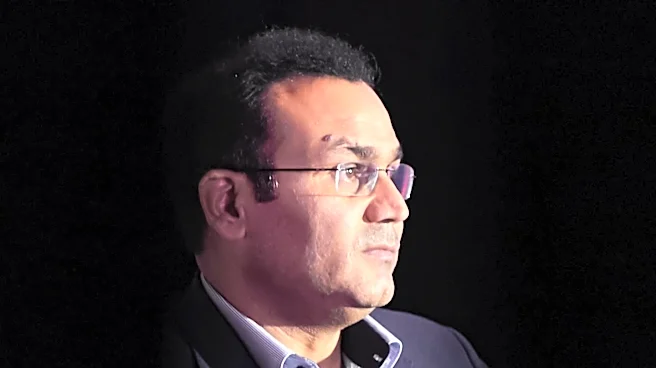
At the ASCO 2026 conference, Dr. Hans Lee, director of multiple myeloma research at the Sarah Cannon Research Institute, presented promising results from the LINKER-AL2 trial. This phase 1/2 trial focused on the treatment of light chain amyloidosis, a rare
disease currently lacking approved treatments. The trial demonstrated that 100% of patients achieved at least a very good partial response, with 90% achieving a complete response. Notably, these responses occurred in an average of just over two weeks. The trial utilized the bispecific antibody linvoseltamab, which offers an off-the-shelf therapy option, potentially improving patient access. Dr. Lee emphasized the importance of rapid response in treating this disease and highlighted the significant advancements made in the myeloma field over the past few years.
Why It's Important?
The results of the LINKER-AL2 trial are significant as they offer new hope for patients with light chain amyloidosis, a condition with limited treatment options. The high response rates and rapid action of linvoseltamab could transform the treatment landscape for this rare disease. The availability of an off-the-shelf therapy could enhance accessibility and convenience for patients, potentially leading to better outcomes. This development also reflects broader progress in the field of myeloma research, indicating a trend towards more effective and accessible treatments for rare diseases. The success of this trial could encourage further research and investment in similar therapeutic approaches, benefiting patients and healthcare providers.
What's Next?
Following the promising results of the LINKER-AL2 trial, further studies are likely to be conducted to confirm these findings and potentially lead to regulatory approval of linvoseltamab for light chain amyloidosis. If approved, this treatment could become a new standard of care, offering a much-needed option for patients. The medical community will be closely monitoring the outcomes of subsequent trials and any regulatory developments. Additionally, the success of this trial may inspire similar research efforts in other rare diseases, potentially leading to breakthroughs in treatment options across various conditions.