





What's Happening?
A group of original 1961 Freedom Riders and their descendants embarked on a commemorative bus tour, retracing the historic Civil Rights journey from Washington, D.C. to New Orleans. This tour, strategically scheduled before the November 3 midterm election,
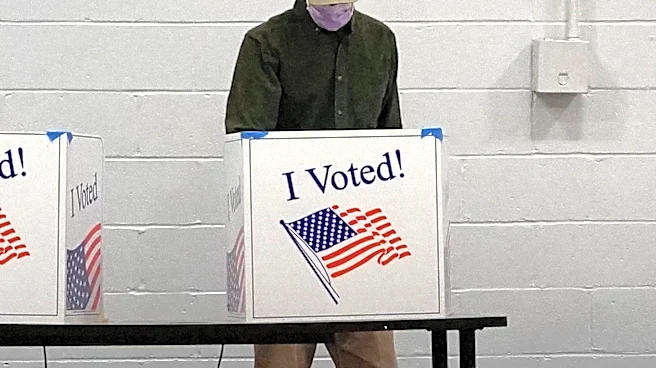
aimed to reignite the movement for voter participation, particularly among young people. Stops included Historically Black Colleges and Universities (HBCUs), such as North Carolina A&T State University in Greensboro. During their visit to NC A&T, 81-year-old Freedom Rider Alfonso Petway expressed the significance of witnessing current events, while 85-year-old Kredelle Petway-Phillips, who was arrested in 1961 for 'Breach of Peace' during an attempt to desegregate airports, emphasized the importance of the trip in encouraging people to vote. Students at NC A&T were actively engaged in 'Get Out the Vote' events, with shuttles provided to polling places, following earlier protests against the elimination of a campus voting precinct.
Why It's Important?
This commemorative Freedom Riders tour underscores the enduring relevance of civil rights activism and its direct connection to contemporary voter engagement efforts. By retracing their historic journey, the Freedom Riders and their descendants are drawing a direct line between past struggles for equality and present-day challenges in ensuring voting access and participation. The focus on HBCUs highlights the critical role these institutions play in fostering civic engagement among young, diverse populations. The students' active participation, including protests against precinct elimination and organizing 'Get Out the Vote' events, demonstrates a continued commitment to voting rights. This initiative is particularly important in the context of midterm elections, where voter turnout can significantly influence political outcomes and policy decisions. The tour serves as a powerful reminder of the sacrifices made for voting rights and the ongoing need for vigilance and participation to uphold democratic principles.
What's Next?
The Freedom Riders' commemorative tour, culminating in New Orleans, is expected to continue its mission of inspiring voter turnout and civic engagement, especially among younger generations. The emphasis on HBCUs suggests that these institutions will remain key hubs for voter registration and education initiatives. Following the midterm elections, the impact of these 'Get Out the Vote' efforts will be assessed, potentially influencing future strategies for voter mobilization. Advocacy for voting rights, particularly concerning issues like precinct accessibility, is likely to persist, with civil rights organizations and student groups continuing to monitor and challenge policies that could impede voting. The narrative of the Freedom Riders' legacy will likely be integrated into ongoing discussions about civil rights, social justice, and the importance of democratic participation, potentially inspiring new generations of activists and voters.
Beyond the Headlines
The Freedom Riders' 65th-anniversary tour transcends a simple historical commemoration; it serves as a potent symbol of the cyclical nature of civil rights struggles and the continuous fight for democratic ideals. The tour's strategic timing before the midterm elections and its focus on HBCUs reveal a deeper understanding of the demographic and political landscapes where voter engagement is most critical. The students' protests against the elimination of a campus voting precinct highlight ongoing systemic challenges to voting access, particularly for marginalized communities. This event underscores the ethical imperative to protect and expand voting rights, recognizing that the right to vote is not merely a political act but a fundamental aspect of citizenship and self-determination. The intergenerational participation in the tour also speaks to the enduring legacy of activism and the passing of the torch from one generation to the next, reinforcing the idea that the pursuit of justice is a continuous journey.