








What's Happening?
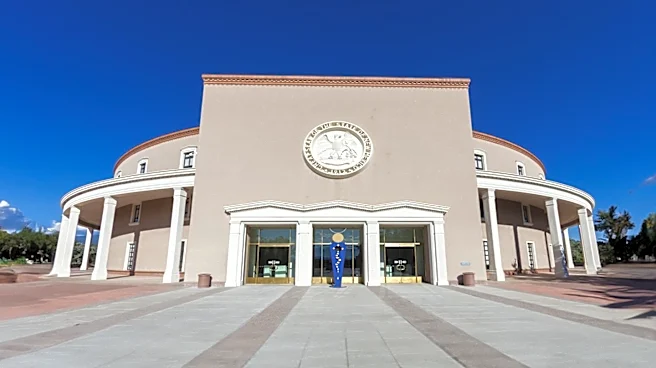
Hawaii Governor Josh Green co-hosted a two-day Western Governors’ Association mental health workshop in Santa Fe, New Mexico, alongside New Mexico Governor Michelle Lujan Grisham. The workshop focused on the critical need for expanded early detection
of mental health conditions and cognitive decline in older New Mexicans. Experts on a healthy aging panel, including New Mexico Aging and Long Term Services Department Secretary Emily Kaltenbach and Department of Health Secretary Gina DeBlassie, emphasized the importance of connecting older adults and their caregivers with available services. The discussion highlighted that by 2030, one in four New Mexicans will be over 65, making the state fourth in the nation for its senior population, many of whom live in rural areas with limited access to health services.
Why It's Important?
This initiative is crucial for addressing the growing mental health needs of the elderly population in the U.S., particularly in states with significant rural populations like New Mexico. Early detection and intervention can significantly improve the quality of life for older adults and reduce the burden on healthcare systems. The workshop's focus on training staff at senior centers and community health centers as 'entry points' for early detection is a practical approach to reaching vulnerable populations. The discussion also underscored the financial barriers faced by many seniors, with about 9% earning only $10,000 annually, making accessible and affordable mental health services vital. The collaboration between governors and state agencies highlights a bipartisan recognition of this pressing public health issue.
What's Next?
The recommendations from the workshop suggest a push for more proactive rather than reactive approaches to identifying mental health issues in older adults. This includes expanding the caregiving and healthcare workforce, providing training in early detection for both professional and informal caregivers, and potentially expanding programs like New MexiCare to support caregivers. There is also a call for updating and reauthorizing the federal Older Americans Act to better fund and guide states in their efforts. The insights gained from this workshop could influence policy changes and resource allocation at both state and federal levels, aiming to create a more robust support system for the aging population.
Beyond the Headlines
The workshop's emphasis on early detection challenges the societal tendency to view mental health and cognitive decline as 'normal parts of aging,' which often leads to delayed or missed diagnoses. By reframing these conditions as treatable and manageable, the initiative seeks to destigmatize mental health issues among seniors. The discussion also touches upon the broader issue of social isolation in rural areas, a significant factor contributing to mental health challenges in older adults. Addressing these issues requires a holistic approach that combines medical intervention with community support and accessible services, ultimately promoting a more inclusive and supportive environment for the elderly.