


What's Happening?
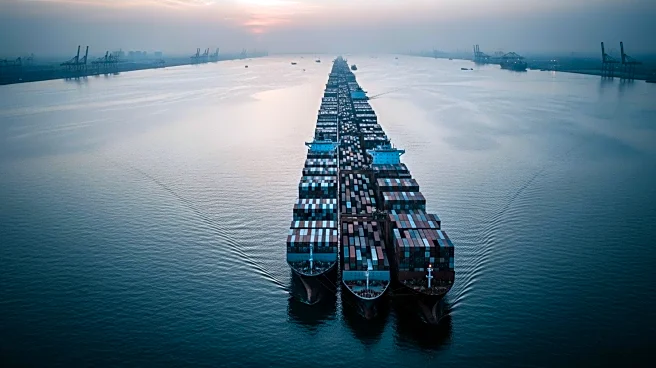
The ongoing conflict involving Iran has created significant disruptions for container carriers, transforming a potential capacity glut into a supply crunch. The situation was a major topic at the S&P Global's TPM conference in Long Beach, California,
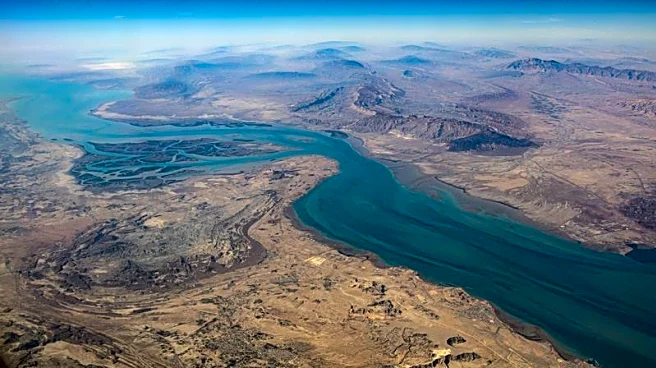
where industry leaders discussed the impact of the US-Israel alliance's strikes on Iran. The conflict has led to insurance companies refusing coverage for vessels in the area and increased fuel costs, causing carriers to halt bookings for the Middle East. This has resulted in a backlog of cargo and potential increases in freight rates.
Why It's Important?
The disruptions in the Middle East could have far-reaching effects on global supply chains, reminiscent of the challenges faced during the COVID-19 pandemic. The conflict threatens to exacerbate existing supply chain issues, potentially leading to increased costs for goods and contributing to inflationary pressures. The situation underscores the vulnerability of global trade to geopolitical tensions and the need for strategic planning to mitigate such risks.
What's Next?
The industry is bracing for continued disruptions as carriers reroute shipments and manage cargo backlogs. The conflict's duration and scope will determine the long-term impact on global trade lanes. Stakeholders are closely monitoring developments, with potential ripple effects expected across major trade routes. The situation may influence future contract negotiations and strategic decisions within the shipping industry.