



What's Happening?
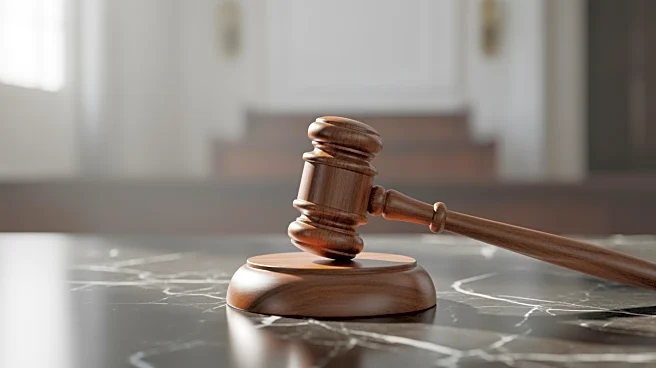
The upcoming Wisconsin Supreme Court race, scheduled for April 7, is drawing attention due to its potential implications on both state and national levels. The race features Maria Lazar, a conservative-backed candidate, and Chris Taylor, a liberal-backed
candidate. Although the campaign lacks the high-profile attention and funding of previous races, its outcome could significantly impact issues such as abortion laws and election legislation. The current liberal majority on the court stands at 4-3, and a win by Taylor would increase this to 5-2, potentially solidifying liberal control until 2030. The race is particularly noteworthy as Wisconsin remains a key battleground state, and the court may play a crucial role in future election disputes, similar to its involvement in the 2020 presidential election.
Why It's Important?
The Wisconsin Supreme Court race is critical as it could influence major legal and political issues in the state and beyond. A shift in the court's composition could affect rulings on contentious topics like abortion, with potential national repercussions given Wisconsin's status as a swing state. The court's decisions could also impact the 2028 presidential election, as it did in 2020 when it rejected attempts to invalidate votes. The race underscores the growing importance of state courts in safeguarding rights and shaping policy, especially as federal protections face challenges. The outcome could either bolster or hinder Republican efforts to maintain influence in a state that has seen shifting political dynamics.
What's Next?
As the election approaches, both candidates are preparing for their sole debate, which will be a critical opportunity to sway undecided voters. With a significant portion of the electorate still undecided, the debate could play a pivotal role in determining the race's outcome. The results will not only affect the balance of the Wisconsin Supreme Court but also set the stage for future judicial elections, potentially leading to a 6-1 liberal majority if trends continue. The race's outcome may also influence strategies for both parties in upcoming state and national elections, particularly in battleground states.
Beyond the Headlines
The quieter nature of this race compared to previous ones highlights a strategic shift, particularly among conservative candidates like Lazar, who aim to distance themselves from overt political affiliations. This approach reflects a broader trend of depoliticizing judicial races to appeal to a wider electorate. Additionally, the race raises questions about the role of money in judicial elections and the impact of high-profile endorsements, as seen in past contests. The focus on judicial philosophy and experience over political alignment may signal a shift in how voters evaluate candidates for judicial positions.