
What's Happening?
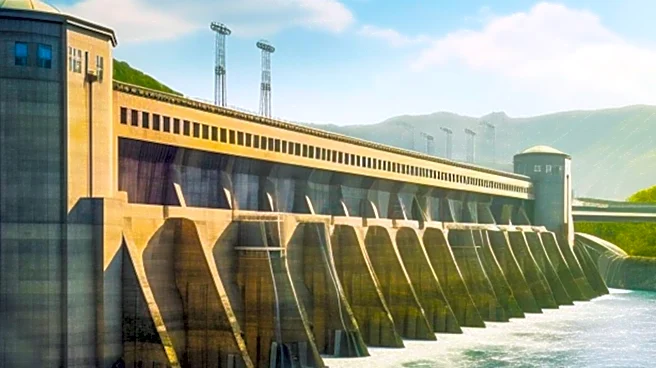
European hydropower plants are increasingly adopting digital tools, including AI, digital twins, and advanced sensors, to enhance operational efficiency and environmental compliance. This initiative, highlighted
by the EU-funded Di-Hydro research project, aims to make hydropower facilities smarter, more digitized, and more flexible. The project, led by Alkiviadis Tromaras of CERTH in Greece, developed AI and digital technologies to assist plant operators in making informed decisions that balance energy production with environmental constraints. These tools were tested in various European facilities, addressing challenges from structural monitoring to water quality forecasting. The modernization efforts are crucial as climate change alters rainfall patterns, making water levels less predictable and increasing the risk of droughts and floods. Despite the varied levels of digitalization across Europe's hydropower fleet, researchers are focusing on adaptable tools that can integrate with existing infrastructure, rather than requiring complete technological overhauls. Nicola Crippa, a product manager at MAS Consulting, emphasized the importance of accurate forecasting to optimize energy production during peak demand and conserve water during less critical periods.
Why It's Important?
The digitalization of hydropower plants is vital for Europe's energy future, as hydropower constitutes a significant portion of its renewable electricity mix, accounting for 25.9% of renewable generation in 2025. This modernization allows hydropower to better complement intermittent renewable sources like wind and solar by providing essential flexibility and storage capabilities. By making plants 'smarter,' operators can more effectively manage fluctuating water levels, weather forecasts, equipment maintenance, and environmental regulations, including those protecting aquatic life. The ability to simulate various scenarios in a risk-free digital environment empowers operators to make more efficient decisions, potentially reducing downtime and ensuring more reliable energy supply. Furthermore, enhanced environmental monitoring through sensors helps plants adhere to EU environmental legislation, mitigating potential negative impacts on river systems and wildlife. This strategic shift ensures that hydropower remains a sustainable and reliable component of the energy grid, adapting to both climate challenges and evolving energy demands.
What's Next?
The Di-Hydro project, which concluded in September 2026, is now seeking further opportunities to implement its developed digital tools beyond the initial test sites. The broader objective is to enable hydropower to respond more intelligently to a changing energy system while maintaining ecological balance. This involves continued integration of AI and digital twin technologies to provide operators with real-time data and predictive analytics, allowing for proactive adjustments to plant operations. Future developments will likely focus on refining these tools to be even more adaptable to the diverse technological landscapes of European hydropower facilities. Collaboration between researchers, technology developers, and hydropower operators will remain crucial to ensure that these digital solutions meet real-world needs. As Europe continues to increase its reliance on wind and solar energy, the role of digitized hydropower in balancing power supply, water management, and environmental protection will become increasingly prominent, driving further investment in smart grid technologies and predictive maintenance systems.
Beyond the Headlines
The push for digital transformation in hydropower extends beyond mere operational efficiency; it represents a fundamental shift in how renewable energy sources interact with complex environmental systems. The development of digital twins and advanced sensor networks highlights a growing trend towards hyper-awareness and predictive management in critical infrastructure. This approach not only optimizes energy output but also fosters a more symbiotic relationship between industrial operations and natural ecosystems. Ethically, these tools enable a more responsible stewardship of natural resources, ensuring that energy generation does not unduly harm aquatic environments. Legally, the enhanced monitoring capabilities can help plants demonstrate compliance with stringent environmental regulations, potentially reducing legal liabilities and fostering public trust. Culturally, this integration of advanced technology into traditional energy sectors signifies a broader societal move towards data-driven decision-making and sustainable practices, setting a precedent for other industries facing similar challenges in balancing economic output with ecological preservation.