






What's Happening?
The Pradhan Mantri Kisan Urja Suraksha evam Utthan Mahabhiyan (PM-KUSUM) scheme in India is designed to provide energy security to the nation's farmers. This initiative also seeks to contribute to the de-dieselization of the agricultural sector. The scheme is a significant
government effort to support the agricultural community by addressing their energy needs. While the source mentions the scheme's existence and its primary goals, it does not detail specific subsidy rules or regulations within the provided text. The Indian Renewable Energy Development Agency (IREDA) is identified as a point of contact for inquiries related to PM-KUSUM, Roof Top Solar, and B2C Schemes, indicating its role in the implementation and management of these programs.
Why It's Important?
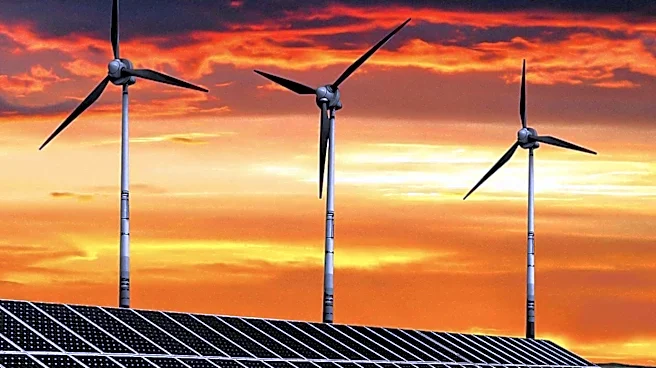
The PM-KUSUM scheme is important because it directly addresses a critical need for energy security among farmers in India, a sector vital to the country's economy and food supply. By promoting de-dieselization, the scheme also contributes to environmental sustainability by reducing reliance on fossil fuels in agriculture. This shift can lead to lower operational costs for farmers, making agricultural practices more economically viable and less susceptible to fluctuations in diesel prices. Furthermore, the scheme's focus on renewable energy sources aligns with broader global efforts to combat climate change and transition to cleaner energy. The involvement of IREDA underscores the government's commitment to facilitating the adoption of renewable energy solutions in the agricultural sector.
What's Next?
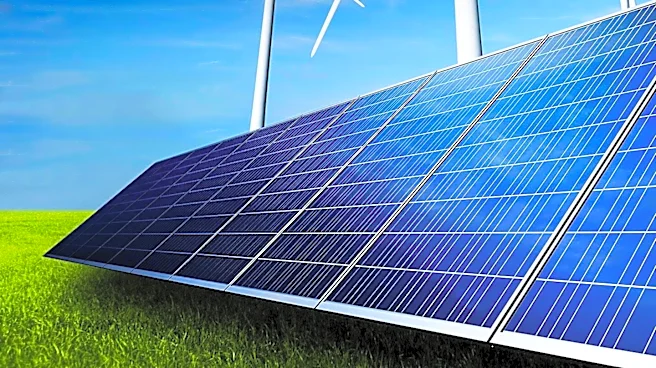
The continued implementation of the PM-KUSUM scheme is expected to further integrate renewable energy solutions into India's agricultural landscape. Farmers are likely to see increased access to solar power for irrigation and other agricultural activities, potentially leading to greater energy independence and reduced operational expenses. The scheme's success could also serve as a model for other developing nations looking to enhance energy security and promote sustainable practices in their agricultural sectors. Future developments may include expanded outreach programs, technological advancements in solar farming equipment, and potential adjustments to subsidy structures to maximize farmer participation and scheme effectiveness. The role of IREDA will remain crucial in guiding and supporting these initiatives.
Beyond the Headlines
Beyond its immediate benefits, the PM-KUSUM scheme represents a broader strategic shift towards sustainable agriculture and energy independence in India. By empowering farmers with renewable energy, the initiative not only addresses immediate energy needs but also fosters a more resilient and environmentally conscious agricultural system. This could lead to long-term positive impacts on rural economies, reducing the carbon footprint of farming, and potentially inspiring innovation in agricultural technology. The scheme also highlights the potential for government-led initiatives to drive significant change in critical sectors, demonstrating how policy can align economic development with environmental stewardship. Its success could influence future policy-making in both energy and agriculture.