
What's Happening?
A Pacific Security guard sustained injuries in a shooting incident at the Valley Transit Transfer Center in Walla Walla, Washington, on Saturday night. The incident occurred around 10 p.m. at the facility
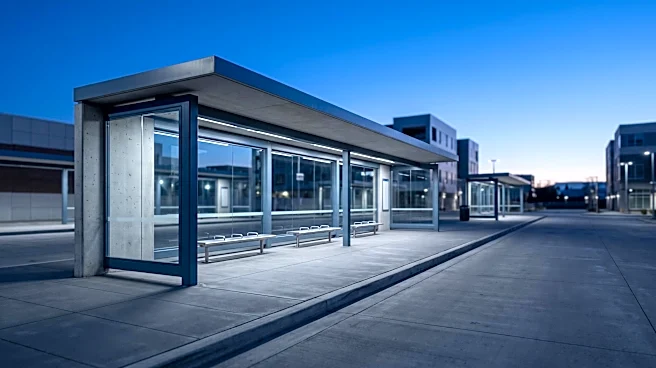
located on Main and Fourth streets. Transit staff provided immediate aid to the injured guard, who was subsequently transported to Providence St. Mary Medical Center for treatment and has since been released. Valley Transit Executive Director Angie Peters confirmed the events and stated that Sunday's transit service was canceled due to the ongoing investigation and its impact on staff. Operations are scheduled to resume on Monday under a limited holiday schedule. The Walla Walla Police Department (WWPD) reported that initial findings suggest the shooting was a targeted attack against the victim, rather than a random act. Authorities do not believe there is an ongoing threat to the public or the downtown area. Multiple suspects, reportedly wearing face coverings, fled the scene on foot and have not yet been apprehended. WWPD officers are conducting increased patrols in the downtown area and advise the public to exercise caution at night.
Why It's Important?
This incident highlights significant concerns regarding public safety and security within urban transit systems. The targeted nature of the attack, even if not a random act, can still contribute to a perception of insecurity among commuters and transit employees. The temporary suspension of services directly impacts the daily routines and mobility of residents who rely on public transportation, underscoring the critical role of transit in community infrastructure. For transit agencies, such events necessitate a review of existing security protocols, staffing levels, and emergency response procedures to protect both personnel and passengers. The involvement of law enforcement and the ongoing investigation also emphasize the broader societal challenge of addressing violent crime and ensuring accountability. The incident could lead to increased calls for enhanced security measures, such as more visible security personnel, improved surveillance, or changes in operational hours, which could have budgetary implications for transit authorities and potentially affect service accessibility.
What's Next?
The Walla Walla Police Department will continue its investigation into the shooting, focusing on identifying and apprehending the suspects involved. The department has indicated that initial information suggested multiple suspects with face coverings fled on foot, and officers are actively searching for them. Valley Transit is fully cooperating with law enforcement, and further details are expected to be released as the investigation progresses. Transit services are set to resume on Monday, albeit on a limited holiday schedule, indicating a phased return to normal operations. The incident may prompt Valley Transit and local authorities to review and potentially enhance security measures at the Transfer Center and other transit hubs to prevent similar occurrences. Public advisories for caution in the downtown area, particularly at night, are likely to remain in effect until the suspects are apprehended and the perceived threat is fully mitigated.
Beyond the Headlines
The shooting at the Valley Transit Transfer Center, despite being deemed a targeted attack, could have broader implications for public trust in urban spaces and transportation. Such incidents can foster a sense of vulnerability among the general public, potentially deterring individuals from using public transit or frequenting downtown areas, even if the immediate threat is contained. This could lead to a subtle but significant shift in community behavior and perceptions of safety. Furthermore, the event underscores the often-overlooked risks faced by security personnel and frontline workers in public service roles, prompting discussions about their protection and support. The incident also highlights the challenges law enforcement faces in addressing crimes involving masked suspects and the importance of community vigilance and cooperation in providing information. Long-term, it could influence urban planning and security strategies, leading to a re-evaluation of how public spaces are designed and managed to enhance safety and deter criminal activity.