






What's Happening?
Adapted physical activity (APA) programs are increasingly recognized for their psychological benefits in cancer patients, extending beyond the well-established reduction of cancer-related fatigue. Experts Marion Barrault-Couchouron, psychologist and psychotherapist
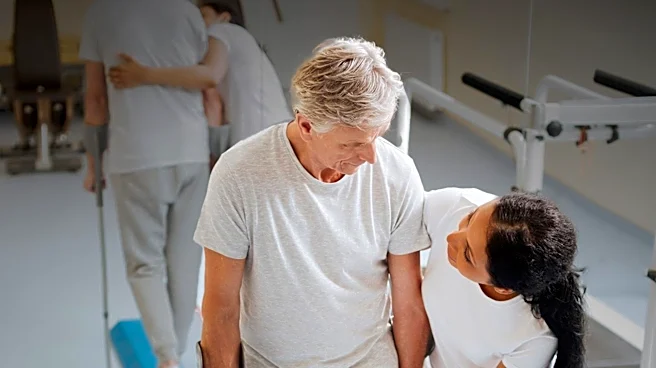
at Bergonié Cancer Institute, and Charlène Goetgheluck Villaron, PhD, associate professor at Management Sport Cancer Laboratory, highlighted these benefits at the 17th National Congress on Supportive Care in Oncology. They emphasized the need to prioritize mental health in oncology care, noting that physical activity can serve as a crucial first step for patients to set physical goals. Research indicates that APA can reduce anxiety in women with breast cancer by improving body image, with some benefit for depression, particularly in patients living alone, with intermediate education, or moderate baseline depression. Even gentle exercise, previously considered too low-intensity, has shown physiological benefits, especially for anxiety. Programs like dragon boat paddling and adapted water polo have fostered a sense of belonging, peer connection, and empowerment, helping patients transition from a patient identity to an athlete identity, thereby strengthening self-efficacy.
Why It's Important?
The integration of adapted physical activity into cancer care signifies a shift towards a more holistic approach to patient well-being, recognizing mental health as a major national priority. By focusing on psychological and relational benefits alongside physical outcomes, healthcare providers can address the often-overlooked emotional toll of cancer and its treatments. This approach can lead to improved patient engagement in long-term physical activity, as it offers tangible psychological rewards such as reduced anxiety, improved body image, and enhanced self-efficacy. Identifying specific patient demographics that benefit most from APA, such as those living alone or with moderate depression, allows for more targeted and effective interventions. The success of programs that foster community and empowerment also highlights the importance of social support in recovery, potentially reducing feelings of isolation common among cancer patients. This emphasis on mental fitness through physical activity could set a precedent for broader healthcare strategies addressing chronic illnesses.
What's Next?
Future efforts will likely focus on systematically screening for fatigue and psychological distress in cancer patients to better tailor APA prescriptions. Barrault-Couchouron suggests routine screening for fatigue, with scores above 4 out of 10 prompting comprehensive assessments of physical, emotional, and cognitive dimensions. This will involve evaluating preexisting risk factors, illness- and treatment-related triggers, and maintaining factors like misconceptions about rest or low self-efficacy. Beyond physical activity, other supportive approaches such as cognitive-behavioral therapies, mindfulness programs (Tai Chi, Qigong), and psychoeducation may be integrated. For cognitive fatigue, systematic screening and referral for neuropsychological evaluations, followed by cognitive remediation and physical activity, are recommended. Ongoing studies are examining how the relationship between physical activity instructors and patients influences engagement, which could further refine intervention strategies and improve patient adherence to these beneficial programs.
Beyond the Headlines
The growing recognition of APA's psychological benefits in oncology care underscores a broader societal shift towards valuing mental well-being as much as physical health. This development challenges traditional medical paradigms that often compartmentalize physical and mental health, advocating for an integrated approach. Ethically, it highlights the responsibility of healthcare systems to address the full spectrum of patient needs, moving beyond disease management to holistic recovery and quality of life. Legally, this could influence policy-making regarding insurance coverage for exercise therapy and psychological support services for cancer patients. Culturally, it promotes a more proactive and empowering view of patients, encouraging them to become active participants in their own health journey rather than passive recipients of care. This could lead to long-term shifts in how chronic illnesses are managed, with a greater emphasis on preventive and supportive therapies that enhance overall well-being.