





What's Happening?
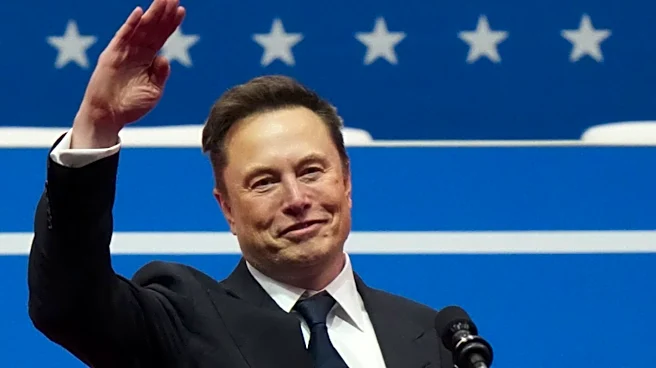
Elon Musk's journey from a student visa holder in 1995 to a U.S. citizen in 2002 has come under scrutiny, with critics arguing that his wealth and background afforded him lenient treatment not available to other immigrants. Chris Cuomo highlighted this
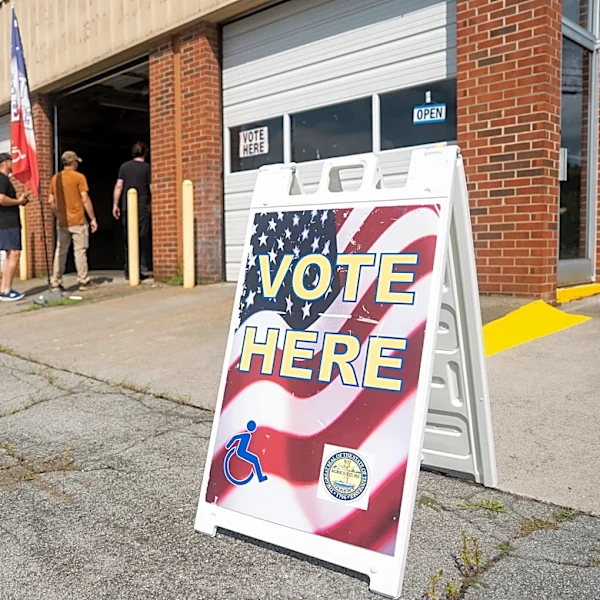
timeline, suggesting that Musk's ability to remain in the U.S. after dropping out of Stanford and eventually securing legal working status reflects a double standard. Michael Knowles countered this view, stating that any issues with Musk's immigration status were resolved within 18 months, and no immigration fraud was committed. Additionally, Musk faces allegations from the Wisconsin Elections Commission of violating election bribery laws, though no federal charges have been filed.
Why It's Important?
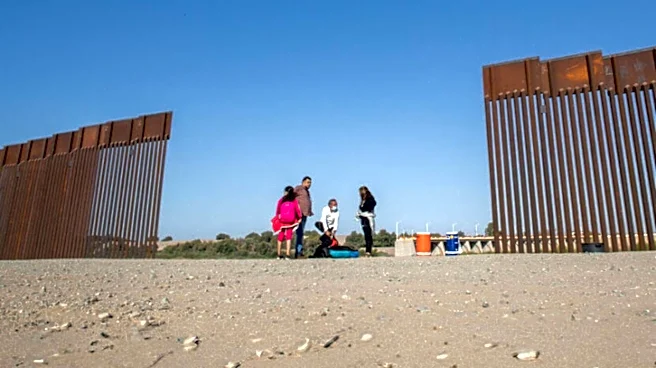
The criticism of Musk's immigration path underscores broader debates about equity and privilege in the U.S. immigration system. If wealth and status can influence immigration outcomes, it raises questions about fairness and the accessibility of the American dream for all immigrants. The allegations of election bribery further complicate Musk's public image and could impact his business ventures and public perception. These issues highlight the intersection of immigration policy, economic privilege, and legal accountability, which are critical in shaping public trust in institutional fairness.