
What's Happening?
President Trump announced that American forces have begun clearing the Strait of Hormuz, a critical waterway for global oil shipments, amid heightened tensions in the Middle East. In a social media post,
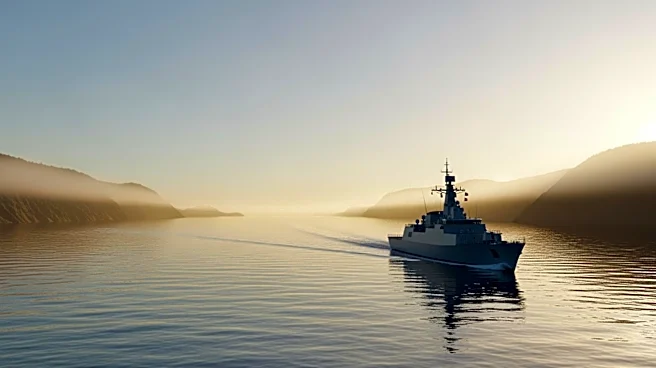
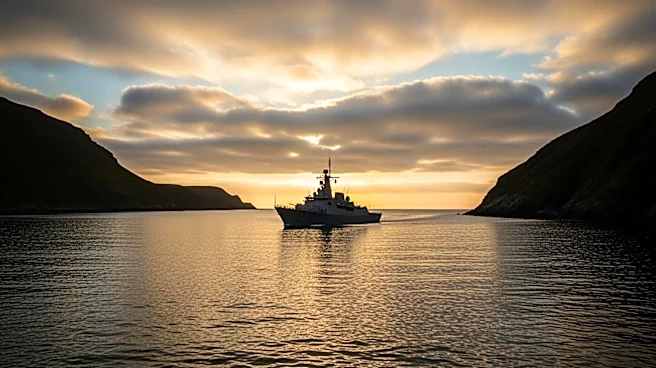
Trump stated that the strait would soon be open, with ships already heading to the United States to load energy supplies. He claimed that all 28 of Iran's mine-laying vessels had been destroyed, although these assertions could not be independently verified. The announcement coincides with ongoing diplomatic efforts between U.S. and Iranian negotiators in Pakistan, aimed at maintaining a fragile ceasefire following weeks of conflict. Conflicting reports have emerged regarding military activity in the strait, with U.S. officials confirming the transit of Navy ships as part of a freedom-of-navigation operation, while Iranian state television reported threats against a U.S. vessel.
Why It's Important?
The Strait of Hormuz is a vital chokepoint for global energy supplies, handling approximately a fifth of the world's oil shipments. President Trump's announcement of clearing the strait is significant as it aims to ensure the uninterrupted flow of international shipping, which is crucial for global energy markets. The move could potentially stabilize the region, although it also risks escalating tensions with Iran, which has issued threats against U.S. military vessels. The situation impacts not only the U.S. and Iran but also other countries reliant on oil shipments through the strait. The broader geopolitical implications include potential shifts in alliances and economic strategies, as countries navigate the complexities of Middle Eastern politics and energy security.
What's Next?
The next steps involve monitoring the situation in the Strait of Hormuz closely, as further military or diplomatic actions could alter the current dynamics. Stakeholders, including political leaders and energy companies, will likely assess the impact of the U.S. operation on oil prices and supply chains. Diplomatic efforts between the U.S. and Iran may continue, with potential for either resolution or further conflict. The international community will watch for any changes in shipping patterns or military presence in the region, which could influence global energy markets and political relations.
Beyond the Headlines
Beyond the immediate geopolitical and economic implications, the clearing of the Strait of Hormuz raises questions about international maritime law and the rights of passage in strategic waterways. The operation may set precedents for future military interventions in similar contexts, affecting global norms around freedom of navigation. Additionally, the situation highlights the delicate balance between military actions and diplomatic negotiations in resolving international conflicts, with potential long-term impacts on regional stability and global energy security.