
What's Happening?
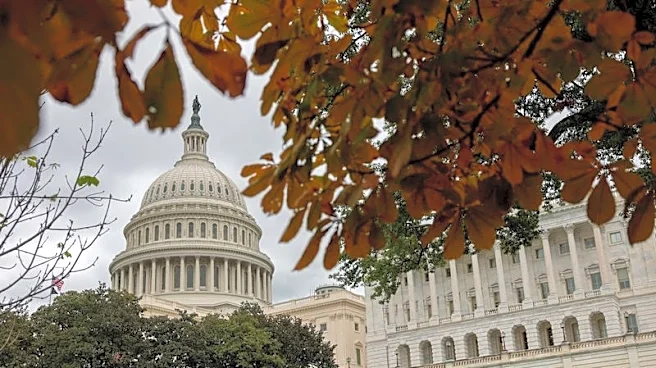
Congresswoman Laurel Lee, alongside Congressman Maxwell Frost, has introduced bipartisan legislation aimed at banning the import of sloths into the United States. The bill, titled the 'Stopping Legalized
Organized Trafficking and Harm to Sloths Act,' or SLOTHS Act, includes limited exceptions for research and conservation-focused breeding programs. This legislative effort follows an investigation into the Sloth World attraction in Orlando, which revealed numerous sloth deaths and neglect. Thirteen sloths were rescued from the facility in April, with eight currently in stable condition at the Central Florida Zoo. State regulators in Florida had previously paused sloth imports in May, but that temporary measure has since expired. The proposed federal legislation seeks to establish permanent protections for these vulnerable animals, addressing concerns about their specialized care requirements and preventing future tragedies related to their import and welfare.
Why It's Important?
This bipartisan legislation is significant as it addresses a critical animal welfare issue and highlights the need for stricter regulations on exotic wildlife imports. The SLOTHS Act aims to prevent the recurrence of situations like the one at Sloth World, where animals suffered from neglect and inadequate care due to a lack of oversight. By banning imports, the bill seeks to protect sloths, which have highly specialized needs, from being subjected to environments that cannot meet their welfare requirements. This move could set a precedent for how other exotic animals are regulated in the U.S., potentially influencing future legislation concerning wildlife trafficking and animal cruelty. It also underscores the growing public and legislative concern for animal rights and ethical treatment, pushing for greater accountability in the exotic pet trade and conservation efforts.
What's Next?
The SLOTHS Act will now proceed through the legislative process in Congress, where it will be subject to committee review, potential amendments, and votes in both the House and Senate. Supporters of the bill will likely advocate for its swift passage, emphasizing the urgency of protecting vulnerable sloth populations. Opponents, if any, might raise concerns about the scope of the ban or its impact on legitimate research and conservation efforts, despite the bill's stated exceptions. The Central Florida Zoo, which is currently caring for the rescued sloths, may continue to provide updates on the animals' condition, further highlighting the need for such legislation. The outcome of this legislative effort could influence state-level regulations and potentially inspire similar actions for other exotic species.
Beyond the Headlines
Beyond the immediate goal of protecting sloths, this legislation touches upon broader ethical and legal dimensions concerning human responsibility towards wildlife. The incident at Sloth World exposed gaps in existing regulations and the potential for exploitation within the exotic animal trade. The SLOTHS Act could spark a wider conversation about the ethics of keeping exotic animals as pets or attractions, prompting a re-evaluation of current licensing and oversight mechanisms. It also highlights the role of investigative journalism in uncovering animal cruelty and catalyzing legislative action. The long-term implications could include a shift in public perception regarding exotic animal ownership and increased pressure on lawmakers to enact more comprehensive animal welfare laws, moving towards a more humane approach to wildlife management and conservation.