
What's Happening?
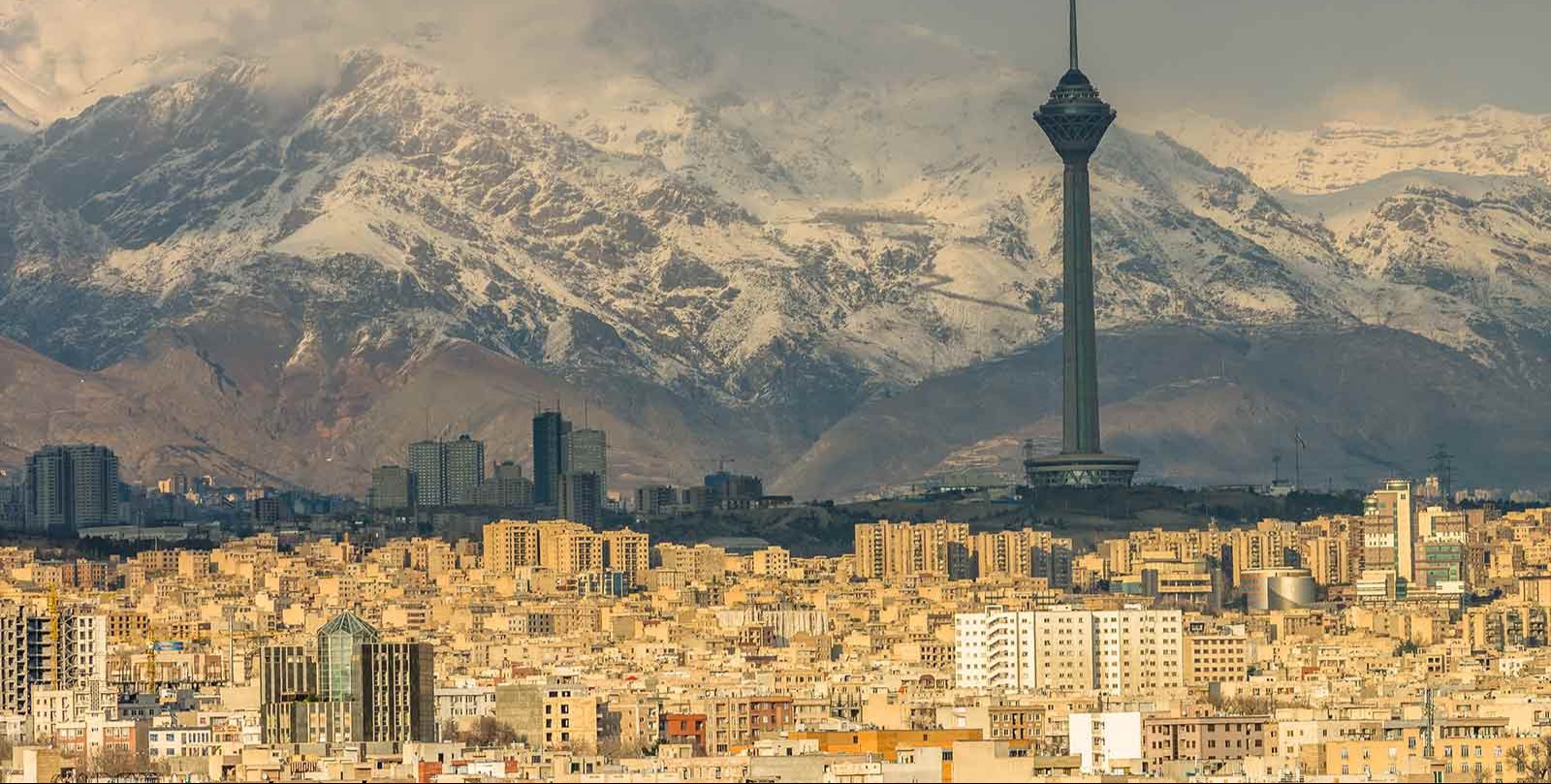
Iranian traders and shopkeepers have initiated protests in response to the Iranian rial's significant depreciation against the U.S. dollar, reaching a record low. The protests, which have entered their second day, are taking place in key areas of Tehran,
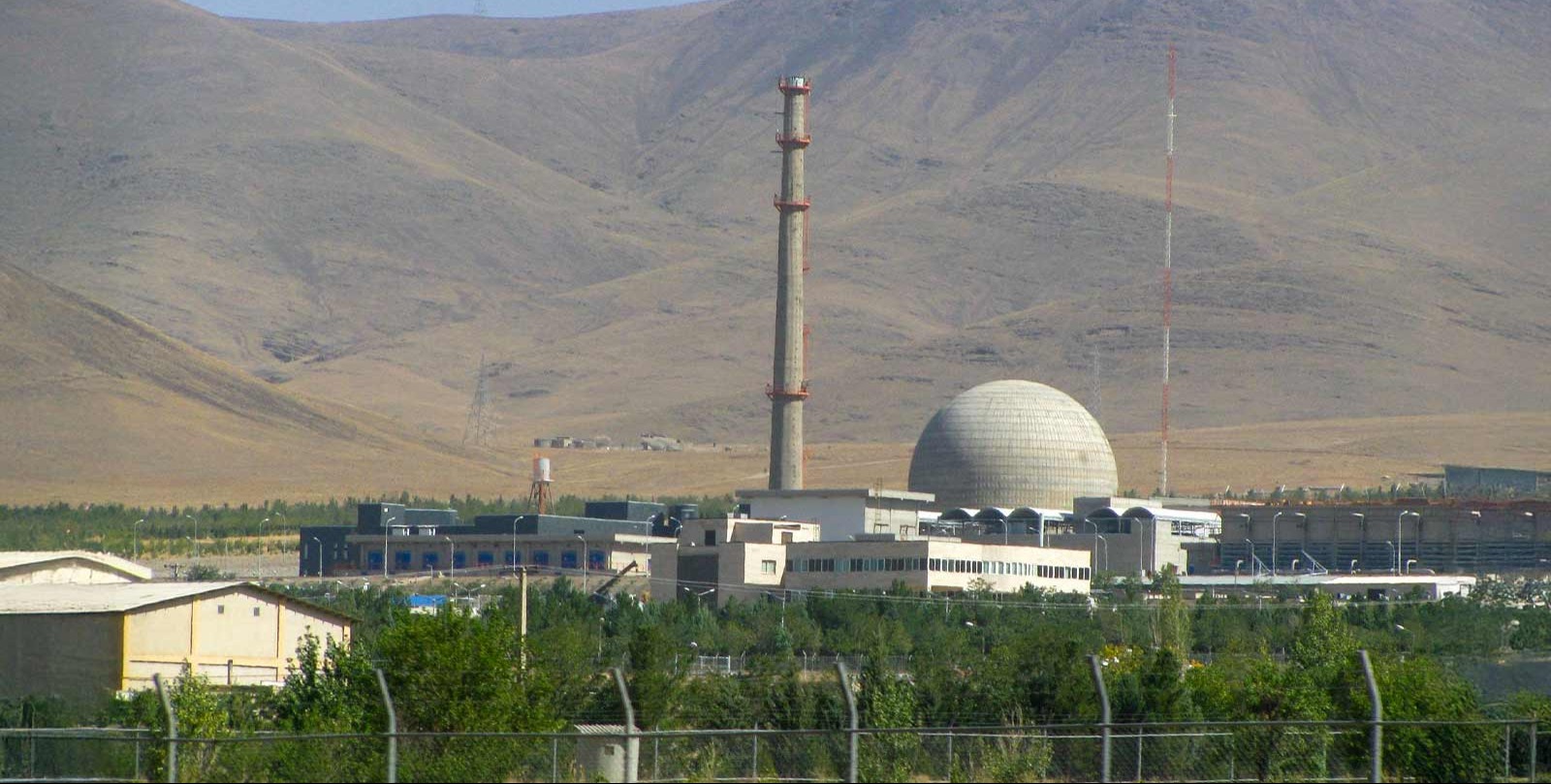
including Saadi Street and the Shush neighborhood near the Grand Bazaar. This economic turmoil is exacerbated by inflationary pressures, with the inflation rate rising to 42.2% in December compared to the previous year. The depreciation of the rial, now trading at 1.38 million to the dollar, is driving up the cost of essential goods, including food and medical supplies. The situation is further strained by recent gasoline price changes and anticipated tax increases in the upcoming Iranian new year. The economic instability is partly attributed to the unraveling of the 2015 nuclear accord after the U.S. withdrawal in 2018, and the reimposition of U.N. sanctions in September, which have frozen Iranian assets and halted arms transactions.
Why It's Important?
The economic challenges facing Iran have significant implications for its domestic stability and international relations. The depreciation of the rial and rising inflation are placing immense pressure on Iranian households, potentially leading to increased social unrest. The protests by traders and shopkeepers highlight the growing dissatisfaction with the government's handling of the economy. Internationally, the situation underscores the impact of U.S. sanctions and the broader geopolitical tensions involving Iran, particularly with the United States and Israel. The economic strain could influence Iran's approach to future negotiations regarding its nuclear program and its interactions with global powers. The potential for hyperinflation and further economic decline poses risks not only to Iran's economy but also to regional stability.
What's Next?
As the economic situation in Iran continues to deteriorate, the government may face increased pressure to address the concerns of its citizens and stabilize the currency. The planned tax increases in the new year could exacerbate public discontent, potentially leading to more widespread protests. Internationally, the economic challenges may compel Iran to seek renewed negotiations with global powers to alleviate sanctions and improve its economic outlook. The response from major stakeholders, including the United States and European nations, will be crucial in determining the future trajectory of Iran's economic and diplomatic relations. Additionally, the potential for further conflict in the region remains a concern, as economic instability could heighten tensions with neighboring countries.