





What's Happening?
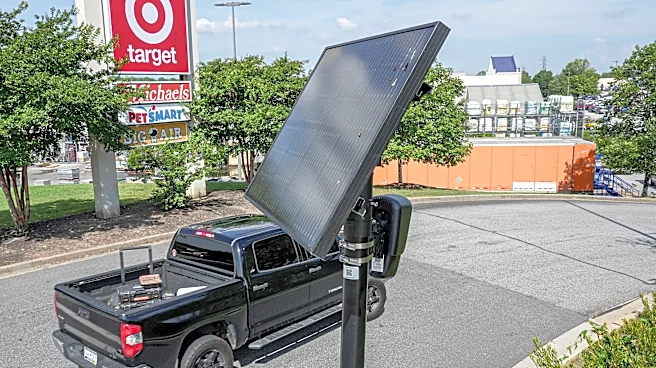
State Representative Steven Owens of Watertown has introduced a bill aimed at creating new rules for the use of automated license plate readers (ALPRs) in Massachusetts. This move comes amid growing community pushback and concerns over privacy and surveillance,
with several municipalities, including Watertown, having already canceled or ended contracts with Flock Safety, a major ALPR provider. Owens' proposal includes requiring police to obtain a court order before sharing ALPR data with outside agencies. Currently, individual law enforcement agencies decide whether to share footage with Flock Safety's database. Critics, including Owens and Northeastern University associate professor Matthew Ross, argue that ALPRs are 'ripe for abuse' and could function as a 'loophole around the Fourth Amendment,' potentially allowing tracking of individuals seeking legal care across state lines.
Why It's Important?
This legislative effort is crucial for addressing the tension between public safety and individual privacy rights in the digital age. The widespread deployment of ALPRs by approximately 100 communities in Massachusetts raises significant concerns about mass surveillance and data security. Representative Owens' bill seeks to establish clear legal boundaries for ALPR use, particularly regarding data sharing, which could prevent potential abuses and protect citizens' constitutional rights. The debate highlights the challenges of integrating advanced technology into law enforcement while safeguarding civil liberties. If passed, this legislation could set a precedent for other states grappling with similar issues, influencing how police departments nationwide utilize surveillance technologies and manage collected data.
What's Next?
The proposed bill by State Representative Steven Owens will proceed through the legislative process in Massachusetts. This will involve committee hearings, debates, and potential amendments as lawmakers consider the balance between public safety needs and privacy concerns. Major stakeholders, including law enforcement agencies, civil liberties advocates, and technology companies like Flock Safety, will likely engage in lobbying and public discourse to influence the bill's outcome. If enacted, the new regulations would mandate court orders for data sharing, significantly altering current ALPR practices. The ongoing community pushback and the legislative response indicate a dynamic and evolving landscape for surveillance technology policy.
Beyond the Headlines
The controversy surrounding ALPRs extends beyond immediate privacy concerns, touching upon fundamental questions about the nature of surveillance in a democratic society. The argument that ALPRs create a 'loophole around the Fourth Amendment' suggests a deeper legal and ethical challenge to constitutional protections against unreasonable searches. The potential for ALPR data to be used to track individuals seeking legal services, such as reproductive or gender-affirming care, across state lines raises serious ethical dilemmas and highlights the intersection of technology, privacy, and civil rights. This debate forces a re-evaluation of what constitutes 'public' space in the context of data collection and how technological advancements necessitate new legal frameworks to protect individual freedoms in an increasingly monitored world.