






What's Happening?
More than a dozen Central Florida restaurants were temporarily shut down last week following health inspections that uncovered various violations. State records indicate issues such as rodent droppings, live and dead roaches, and improper food storage.
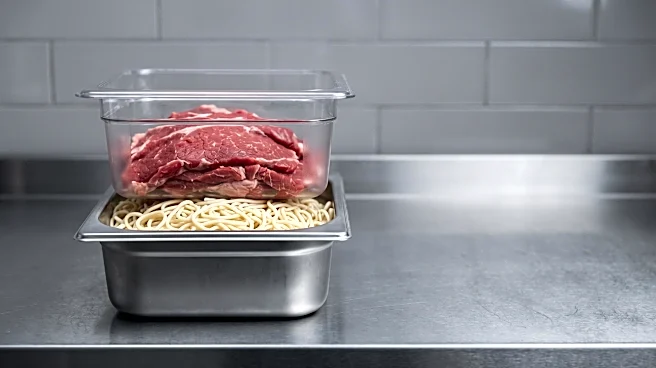
For instance, Mama Kitchen in Daytona Beach was closed after inspectors found both dead and live roaches, along with improperly stored hydrogen peroxide and time/temperature violations for several food items. Pho Vinh in Orlando faced closure due to numerous live and dead roaches, an egg sac, and unsafe food storage practices, including raw beef kept over cooked noodles. Several establishments in Oviedo, including 2 Hermanos Taco Burrito, Asian Express, and Mediterranean Gourmet, also experienced closures due to live roach infestations. Additionally, five eateries along Southwest College Road in Ocala were closed on October 1 for 'unlicensed activity.' Most of the affected establishments were allowed to reopen after addressing the health standards.
Why It's Important?
These closures highlight ongoing public health concerns within the food service industry in Central Florida. The presence of pests like roaches and rodents, along with improper food handling and storage, poses significant risks to consumer health, potentially leading to foodborne illnesses. For the affected businesses, closures result in immediate financial losses due to lost sales and the costs associated with remediation and re-inspection. The 'unlicensed activity' closures in Ocala also point to regulatory enforcement gaps or non-compliance issues that could undermine consumer trust and fair competition. Consistent enforcement of health codes is crucial for maintaining public safety and ensuring that food establishments operate under sanitary conditions, protecting both customers and the reputation of the local dining scene.
What's Next?
Following their temporary closures, most of the Central Florida eateries mentioned in the report have already met inspection standards and reopened. This indicates that they have taken corrective actions to address the identified health violations. For the five establishments in Ocala closed due to 'unlicensed activity,' further regulatory action or investigation into their operational status may be pending. Health inspectors will likely continue their routine and unannounced inspections across the region to ensure ongoing compliance with food safety regulations. Businesses that were cited will remain under scrutiny to prevent recurrence of violations. Consumers are encouraged to stay informed about restaurant inspection reports, which are typically publicly available, to make informed dining choices.
Beyond the Headlines
The recurring nature of these health violations, particularly pest infestations, suggests a broader challenge within the food service sector regarding consistent adherence to hygiene and operational standards. Beyond the immediate health risks, such incidents can severely damage a restaurant's reputation and customer loyalty, even after corrective measures are taken. The 'unlicensed activity' closures also raise questions about the oversight and enforcement mechanisms for new or existing businesses, potentially indicating a need for more stringent initial vetting or more frequent checks. This situation underscores the critical role of public health departments in safeguarding community well-being and the continuous effort required from businesses to maintain operational integrity and consumer trust.