







What's Happening?
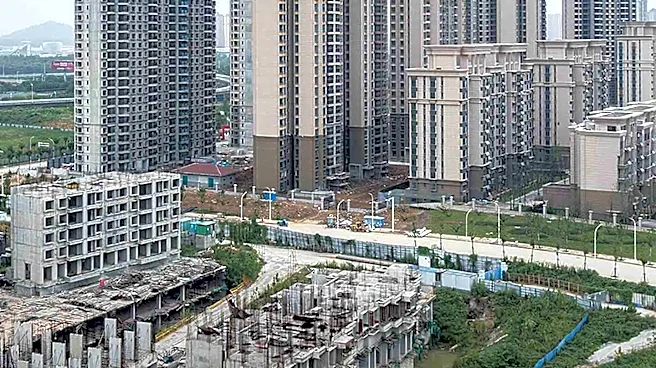
Columbus, Ohio, is experiencing a significant increase in multifamily housing permit approvals, marking the highest rate since 2019. This trend is part of a broader movement in midsize cities like Las Vegas, Oklahoma City, and Birmingham, Alabama, which
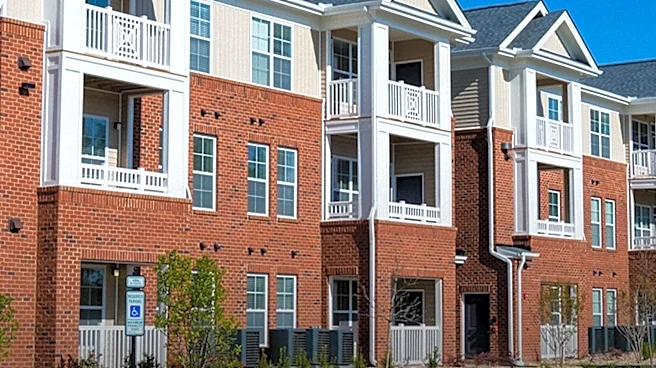
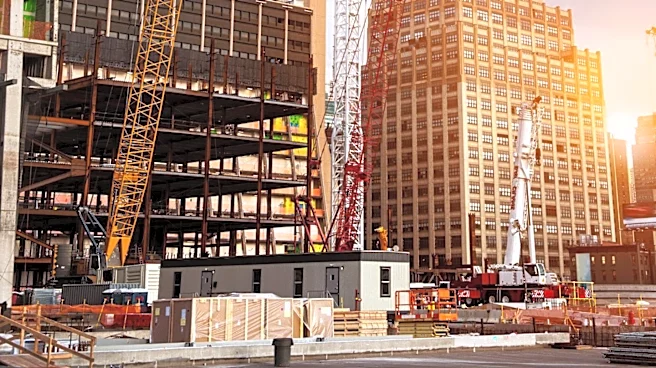
are also seeing upticks in apartment construction. These developments are attributed to density-friendly zoning reforms and are expected to add thousands of new homes, potentially easing the rental market. Despite a national trend of slow construction and high costs, these cities are bucking the trend, with Columbus planning to build up to 88,000 new homes over the next decade through its 'Zone In' plan. In contrast, high-cost cities like New York and Seattle are experiencing low permit rates, exacerbating housing shortages.
Why It's Important?
The increase in apartment construction in cities like Columbus could provide much-needed relief to renters facing high housing costs. With about half of U.S. renter households being cost-burdened, the addition of new housing supply could help alleviate financial pressures. This is particularly crucial as urban areas continue to grapple with rising costs of living and stagnant wage growth. The construction boom in these cities may serve as a model for other regions struggling with housing affordability, highlighting the importance of policy reforms in addressing housing shortages.
What's Next?
As construction continues, the impact on rental prices will be closely monitored. If successful, the strategies employed by cities like Columbus could be adopted by other municipalities facing similar challenges. Additionally, the effectiveness of zoning reforms and their role in facilitating housing development will be evaluated, potentially influencing future urban planning and housing policies across the country.