








What's Happening?
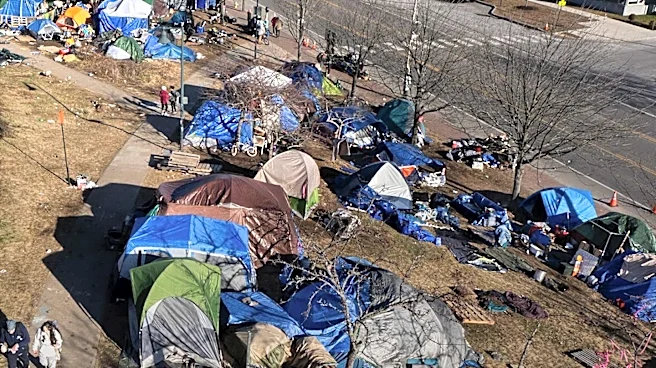
The Bangor City Council has unanimously approved a total of $100,000 in funding for two local warming shelters. Of this amount, $10,000 will be allocated to The Well Warming Center, a daytime facility that served approximately 70 to 80 individuals daily
last winter. The remaining $90,000 will go to the Together Place Peer Run Recovery Center to support its as-needed nighttime warming shelter. These two organizations were selected based on the services they provided during the previous winter season. The funding is sourced from existing city funds designated for heating assistance, general assistance, and a community development block grant. Together Place board President Shea Mullaney clarified that the allocation represents a maximum expenditure for services as delivered, meaning the organization will not receive the funds upfront.
Why It's Important?
This funding is crucial for providing essential services to vulnerable populations in Bangor, particularly during the colder months. The allocation ensures that two key warming shelters can continue their operations, offering a safe and warm environment for individuals experiencing homelessness or lacking adequate heating. The support for The Well Warming Center and Together Place Peer Run Recovery Center directly addresses immediate humanitarian needs and contributes to the overall well-being of the community. By utilizing existing city funds, the council demonstrates a commitment to addressing homelessness and supporting recovery efforts without imposing new financial burdens on taxpayers. The structure of the funding, based on services delivered, promotes accountability and efficient use of resources.
What's Next?
The city's advisory committee on homelessness will be responsible for developing specific requirements and policies to govern the operations of these warming shelters. This will ensure that the funds are used effectively and that the shelters meet established standards for service delivery. Together Place will use its allocated funds to support operations and pay staff, with the goal of maintaining services at the state average cost per bed per night. The continued operation of these shelters will provide vital support throughout the upcoming winter season, and their impact on reducing homelessness and improving public health outcomes will likely be monitored by city officials and community stakeholders.
Beyond the Headlines
The approval of this funding highlights the ongoing challenge of homelessness and the critical role of community-based organizations in providing support. It also underscores the importance of local government in addressing social welfare issues. The focus on both daytime and nighttime shelters indicates a comprehensive approach to supporting individuals who may be experiencing homelessness or housing insecurity. Furthermore, the involvement of a peer-run recovery center suggests an integrated approach that combines immediate shelter with support for long-term recovery, recognizing the complex needs of this population. This initiative could serve as a model for other communities grappling with similar issues, demonstrating how strategic funding and collaboration can make a tangible difference.