






What's Happening?
Two women, Ayla Bernice Maldonado, 38, and Deyanira Eli Maldonado, 40, were arrested near San Antonio, Texas, after being caught stealing a large highway sign from the Texas Department of Transportation (TxDOT). The incident occurred on a Wednesday morning
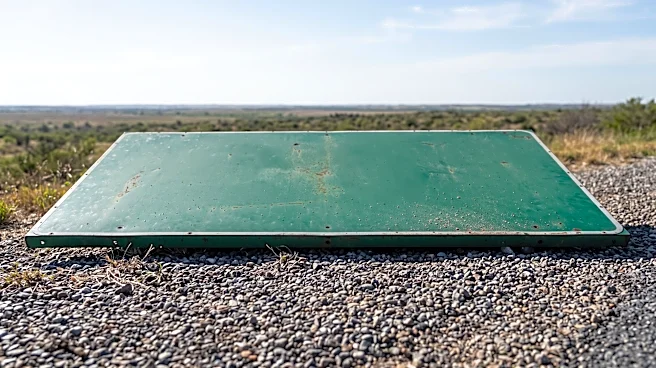
when a passing motorist observed the activity and flagged down a local police chief who was coincidentally en route to a police supply store. Photographs show a red pickup truck with an enormous green highway sign extending significantly beyond its bed, with other parts of the sign visible on the roadside. Both women were arrested and charged with felony theft of property valued at $2,500 or more but less than $30,000. They were released on $7,500 bonds each, with a state jail felony in Texas carrying a potential sentence of 180 days to two years of confinement and a fine up to $10,000.
Why It's Important?
This incident highlights the significant cost and public safety implications of infrastructure theft. Highway signs, while seemingly mundane, are crucial for navigation and safety on roads. Their theft not only incurs substantial replacement costs for state departments of transportation, but also creates hazards for motorists due to missing directional or warning information. The estimated replacement cost for a four-by-eight-foot sign can be around $864, excluding installation and support structures, far exceeding the scrap value of its aluminum. This type of theft also diverts public funds and resources that could otherwise be used for road maintenance and improvements. The quick apprehension in this case underscores the importance of public vigilance and the responsiveness of law enforcement in protecting public assets.
What's Next?
Ayla Bernice Maldonado and Deyanira Eli Maldonado have been released on bond and will face legal proceedings for the state jail felony charges. The police have not yet disclosed the women's motive for the theft or the exact calculation of the sign's value. This incident may prompt TxDOT and other state transportation agencies to review and enhance security measures for highway signs, potentially exploring alternative materials like fiberglass that are less attractive to metal thieves. It also serves as a reminder to the public about the legal consequences of stealing public property and the importance of reporting suspicious activities to authorities. The case will proceed through the Texas judicial system, where the women will have the opportunity to present their defense.
Beyond the Headlines
The theft of highway signs, often driven by the scrap value of aluminum or a desire for unique memorabilia, represents a broader issue of infrastructure vandalism and theft that impacts public services. Beyond the immediate costs, such acts can lead to indirect economic consequences, including increased insurance premiums for public entities and potential legal liabilities if accidents occur due to missing signage. The incident also subtly touches on the 'aluminum equation,' where the low scrap value of materials like aluminum contrasts sharply with the high cost of manufacturing, installing, and maintaining public infrastructure. This disparity can incentivize theft, creating a persistent challenge for public works departments. The Von Ormy Police Department's advice to use GPS for directions and buy signs rather than steal them humorously underscores the absurdity and illegality of such actions.