





What's Happening?
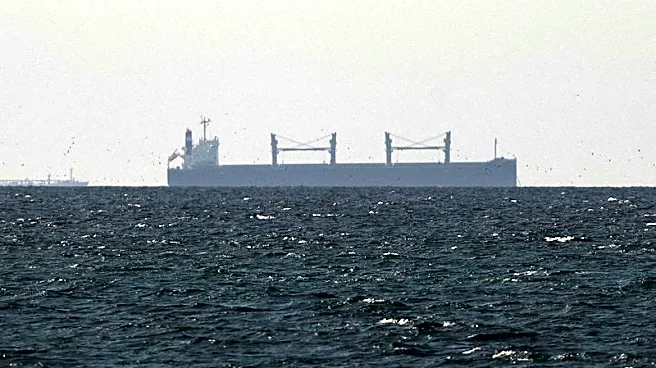
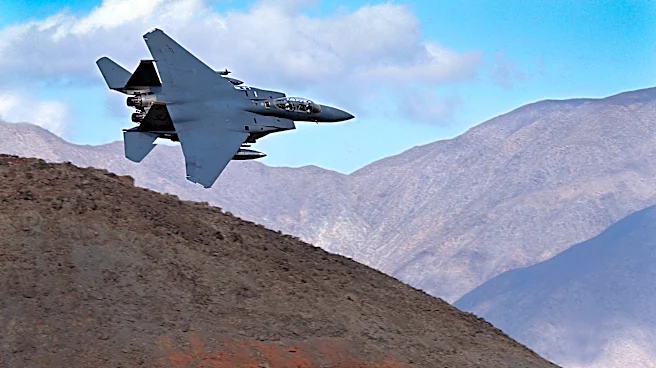
The ongoing conflict involving the US, Israel, and Iran has underscored the global economy's heavy reliance on fossil fuels. Oil prices have surged to around $110 a barrel, with potential to reach $150, exacerbating global economic pressures. The conflict is
the third major global shock in recent years, following the Ukraine invasion and the COVID-19 pandemic. This situation has highlighted the divide between countries committed to fossil fuels and those pursuing renewable energy. The UN climate chief, Simon Stiell, emphasized that fossil fuel dependency undermines national security and sovereignty.
Why It's Important?
The conflict in Iran has significant implications for global energy markets and climate policy. High fossil fuel prices benefit major emitters like the US, Russia, and Saudi Arabia, potentially delaying the transition to renewable energy. This dependency poses risks to national security and economic stability, as countries face rising costs and supply chain disruptions. The situation also highlights the urgent need for a shift towards low-carbon energy sources to mitigate climate change and reduce geopolitical vulnerabilities.
What's Next?
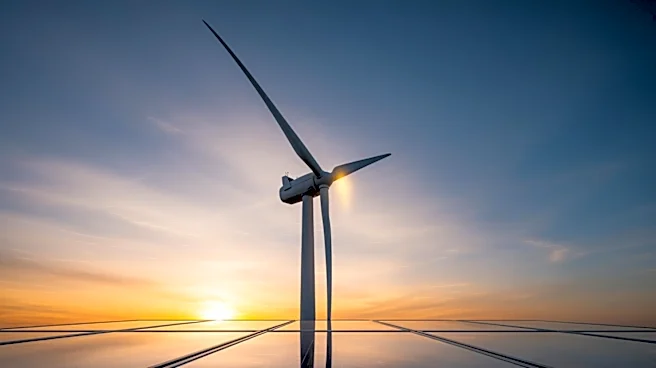
The aftermath of the Iran conflict could influence global energy policies and accelerate the transition to renewable energy. Countries may need to reassess their energy strategies to reduce reliance on fossil fuels and enhance energy security. This could involve increased investment in renewable energy infrastructure and technology. The conflict may also prompt international cooperation to address climate change and promote sustainable energy solutions.
Beyond the Headlines
The Iran conflict serves as a reminder of the interconnectedness of global energy markets and the need for a coordinated response to climate change. The situation underscores the importance of diversifying energy sources and investing in clean technology to ensure long-term sustainability. It also highlights the ethical and environmental implications of continued fossil fuel dependency, prompting discussions on the role of policy and innovation in driving the energy transition.