




What's Happening?
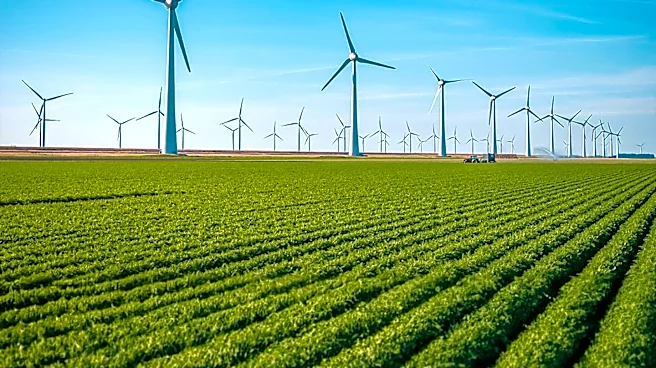
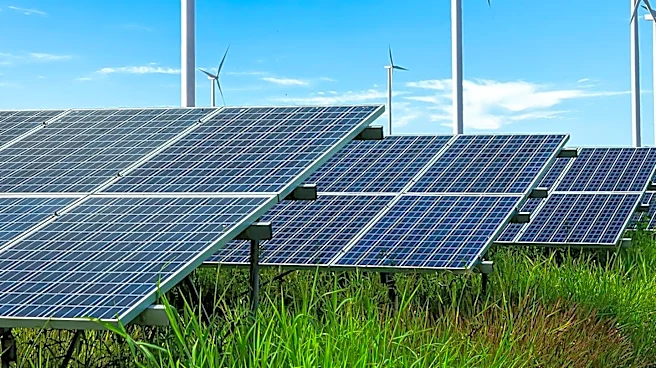
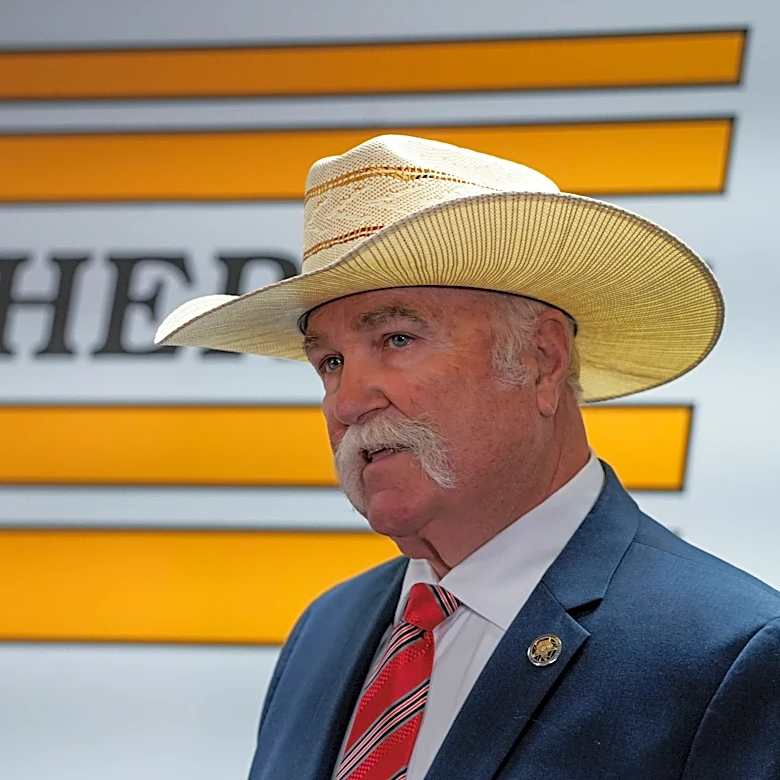
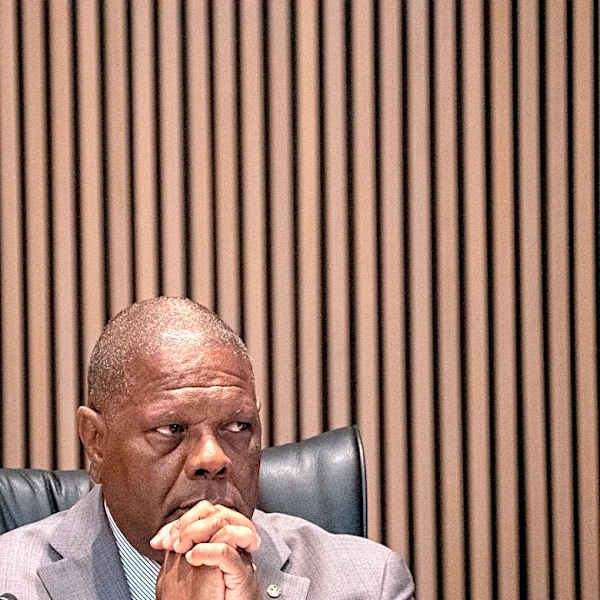
Bannock County, Idaho, is revisiting a 2024 ordinance that banned utility-scale solar and wind development. County Commissioner Jeff Hough, who initially dissented from the ban, is now chair and is leading efforts to overturn it. The county commission
is set to vote this fall on new language that would permit solar, wind, and nuclear energy projects. The original ban was enacted after concerns from residents and county leaders about the impact of large-scale renewable projects, particularly following discussions about the Lava Ridge Wind Project in southern Idaho. This reconsideration comes as Idaho Power, the state's largest utility, anticipates a 26% increase in electricity demand by 2030. The county is also exploring opportunities in nuclear energy, with the Idaho National Laboratory (INL) nearby and nuclear startup Oklo aiming to build its first fission reactor there.
Why It's Important?
This situation in Bannock County serves as a critical test case for how rural U.S. communities balance local concerns with broader energy needs and economic development. The initial ban reflected a national trend, with nearly one in four U.S. counties having some form of impediment to clean energy development. Overturning the ban could unlock significant economic opportunities for Bannock County, including increased tax revenue from energy projects and job creation, which is vital for rural areas facing declining essential services and the impacts of climate change on agriculture. The debate also highlights the tension between property rights, environmental concerns, and the urgent need for new energy infrastructure to meet growing demand. The county's openness to nuclear energy, alongside renewables, reflects a pragmatic approach to energy diversification and a recognition of the Idaho National Laboratory's role in advanced nuclear research.
What's Next?
The Bannock County commissioners will vote this fall on a new ordinance that would allow solar, wind, and nuclear energy development. This vote will be a crucial indicator of the county's future energy policy and economic direction. If the ban is lifted, developers like Balanced Rock, which had previously stalled projects due to the ban, may proceed with their plans, bringing potential investments and tax revenues to the county. The draft ordinance includes provisions for decommissioning and developer contributions to local fire departments for training and equipment related to battery fires, addressing some initial concerns. The county is also actively exploring involvement with small modular reactors (SMRs), microreactors, and nuclear manufacturing, potentially hosting new nuclear projects in the long term, though the commercial viability and licensing of such projects remain uncertain.
Beyond the Headlines
The Bannock County debate reveals deeper societal shifts and conflicts within rural America. It underscores the challenges of transitioning to clean energy, where local aesthetic concerns, property rights, and fears about environmental impact often clash with economic opportunities and the imperative to address climate change. The strong support for nuclear energy among some residents, even those opposed to solar, suggests a nuanced public perception of different energy sources. This case also highlights the influence of external factors, such as the Trump administration's embrace of nuclear energy and the broader national push for energy independence. The outcome in Bannock County could set a precedent for other rural communities grappling with similar decisions, illustrating how local governance can either accelerate or impede the national energy transition.