



What's Happening?
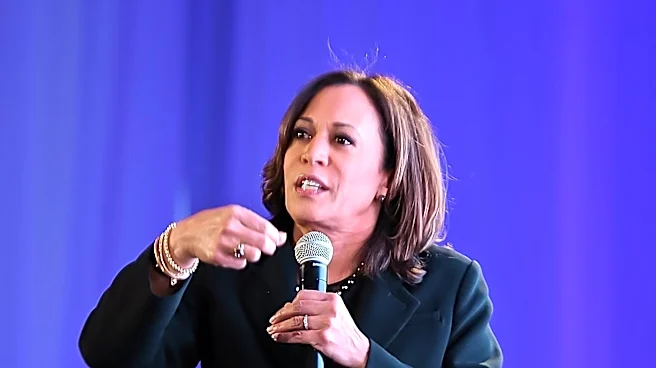
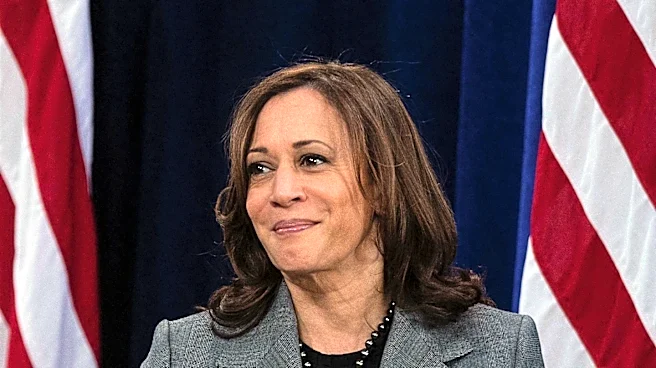
Kamala Harris, the former Vice President, publicly acknowledged and embraced her viral 'coconut tree' remark on Tuesday, September 1, to mark World Coconut Day. She posted a video on Instagram featuring clips related to the meme, including impersonations
and 'Saturday Night Live' sketches. Her caption, 'A day that exists in the context of all that came before it. Happy World Coconut Day!', playfully echoed her original quote. The 'coconut tree' remark originated from a May 2023 White House swearing-in ceremony for a commission on educational opportunity for Hispanic Americans, where Harris emphasized the importance of context and community, recalling her mother's saying, 'You think you just fell out of a coconut tree? You exist in the context of all in which you live and what came before you.' The quote gained significant traction online in July 2024 after former President Joe Biden ended his reelection bid and endorsed Harris, becoming an unexpected symbol of her candidacy.
Why It's Important?
This embrace of a viral meme by a prominent political figure like Kamala Harris highlights the evolving landscape of political communication and engagement in the digital age. By leaning into internet culture, Harris demonstrates an understanding of contemporary online discourse and a willingness to connect with the public through humor and self-awareness. This approach can humanize political figures, making them more relatable to a broader audience, particularly younger demographics who are highly engaged with social media trends. The meme's transformation into an emblem of her 2024 campaign, with Democratic officials and her campaign actively incorporating the imagery, underscores how internet phenomena can influence political narratives and public perception. It also illustrates the power of viral content to shape public discourse, even in serious political contexts, and how campaigns can strategically leverage such moments to build a unique brand identity.
What's Next?
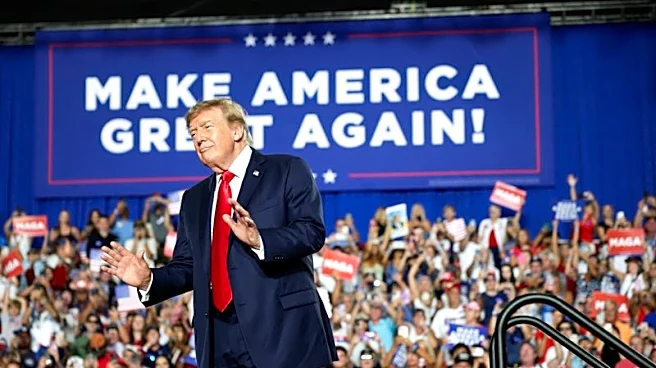
The continued embrace of the 'coconut tree' meme by Kamala Harris suggests a strategic approach to maintaining public engagement and a relatable persona, even after her 2024 election loss to President Donald Trump. This could indicate a future political strategy that incorporates more elements of internet culture and direct engagement with online communities. Other political figures might observe the public's reaction to this approach and consider adopting similar tactics to connect with voters. The longevity of such memes in political discourse also points to a potential shift in how political messaging is crafted, moving towards more authentic and less formal communication styles. Future campaigns may increasingly look for organic moments that can be amplified through social media, rather than relying solely on traditional campaign advertisements and speeches.
Beyond the Headlines
The 'coconut tree' meme's journey from a spontaneous remark to a campaign symbol and now a recurring humorous reference reveals deeper implications about the intersection of politics, media, and popular culture. It underscores how seemingly innocuous statements can take on significant cultural meaning, especially when amplified by social media. This phenomenon challenges traditional notions of political gravitas, suggesting that authenticity and a sense of humor can be valuable assets for public figures. Furthermore, it highlights the participatory nature of modern political engagement, where the public actively shapes narratives through meme creation and sharing. This trend could lead to a more dynamic and less controlled political communication environment, where candidates must be adept at navigating and even co-opting internet trends to maintain relevance and connect with a digitally native electorate. The meme also serves as a reminder of the unpredictable ways in which public figures are perceived and how their words can be recontextualized and reinterpreted by online communities.