







What's Happening?
European countries, including Spain, France, Portugal, Italy, and Greece, are actively shifting their tourism strategies towards 'slow travel' and better-distributed tourism. This initiative encourages visitors to explore lesser-known regions, travel during
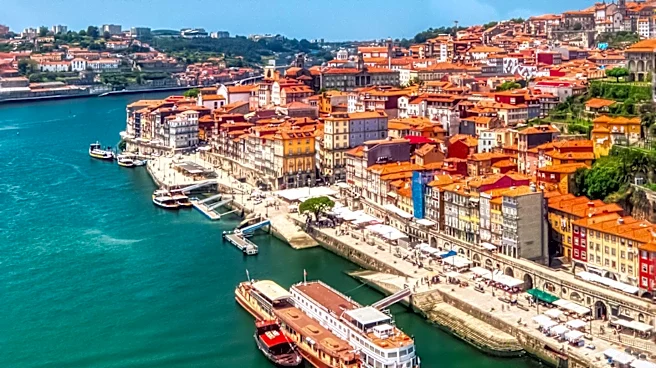
off-peak seasons, and extend their stays for more immersive experiences. Spain's 'Think You Know Spain? Think Again' campaign, for instance, aims to move beyond traditional hotspots by featuring content from 12 autonomous communities and over 60 mainland locations. This collaborative effort with Spain's autonomous communities seeks to highlight the country's diverse cultures, landscapes, and food traditions. Similarly, France is promoting alternative destinations and slow tourism activities like cycling, walking holidays, and cultural routes through its 'Alternative France 2026' and dedicated slow-tourism campaigns. Portugal is focusing on regional and year-round tourism, while Italy is emphasizing villages and historic walking routes. Greece is extending its tourism season beyond the summer months, with 70% of its 'Tourism for All 2026-2027' funding directed towards holidays between October and April. These strategies aim to balance geographical and seasonal distribution of tourism, moving away from concentrating demand in a few popular areas.
Why It's Important?
This shift in European tourism strategy holds significant implications for the U.S. travel industry and American tourists. For U.S. travelers, it means a wider array of European destinations beyond the well-trodden paths of major cities, offering more authentic cultural experiences and potentially less crowded environments. The emphasis on longer stays and off-peak travel could also lead to more cost-effective travel options and a deeper engagement with local communities. For the U.S. travel industry, this trend could influence how tour operators and travel agencies package European trips, potentially leading to the development of new itineraries focused on regional exploration and sustainable tourism. It also highlights a growing global preference for experiential travel over rapid sightseeing, which could impact marketing strategies for U.S. destinations. Furthermore, the focus on distributing economic benefits more broadly across regions aligns with growing consumer demand for responsible tourism, encouraging U.S. travelers to consider the local impact of their choices. This could also inspire similar initiatives within the U.S. to promote lesser-known domestic destinations and encourage more sustainable travel practices.
What's Next?
The continued implementation of these slow travel strategies by European nations is expected to lead to several developments. Travelers can anticipate more diverse and regionally focused tourism offerings, with increased visibility for secondary cities, inland regions, and cultural itineraries. This will likely result in a greater emphasis on activities such as walking tours, food tourism, and rural experiences. Major stakeholders, including European tourism boards and local businesses, will continue to invest in developing infrastructure and services to support these new travel patterns, potentially leading to improved local accommodations and transportation options in previously underserved areas. For U.S. travelers, this means a growing opportunity to plan more unique and extended European vacations, moving beyond the traditional tourist circuits. The success of these initiatives could also prompt other global destinations, including those in the U.S., to adopt similar models to manage visitor flows, enhance local economies, and promote sustainable tourism practices. The long-term goal is to achieve a more balanced and resilient tourism sector that benefits both visitors and host communities.
Beyond the Headlines
The embrace of slow travel by European countries signifies a deeper shift in the philosophy of tourism, moving beyond mere visitor numbers to prioritize value, sustainability, and equitable distribution of economic benefits. This trend challenges the traditional model of mass tourism, which often concentrates visitors in a few iconic locations, leading to overcrowding, environmental strain, and limited local economic impact. By encouraging longer stays and exploration of diverse regions, slow travel fosters a more profound cultural exchange and supports a wider range of local businesses, from small guesthouses to regional artisans. This approach also addresses ethical considerations by promoting responsible travel that respects local communities and environments. The long-term implications include a potential redefinition of what constitutes a 'successful' tourism destination, shifting the focus from sheer volume to the quality of visitor experience and the positive impact on host communities. This could lead to a global re-evaluation of tourism policies, with an increased emphasis on sustainable development, cultural preservation, and the well-being of both travelers and residents.