





What's Happening?
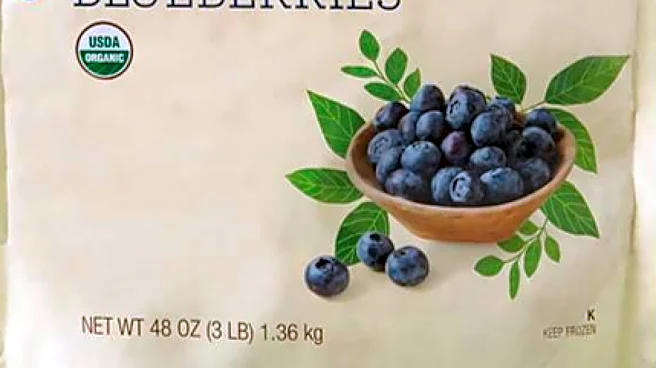
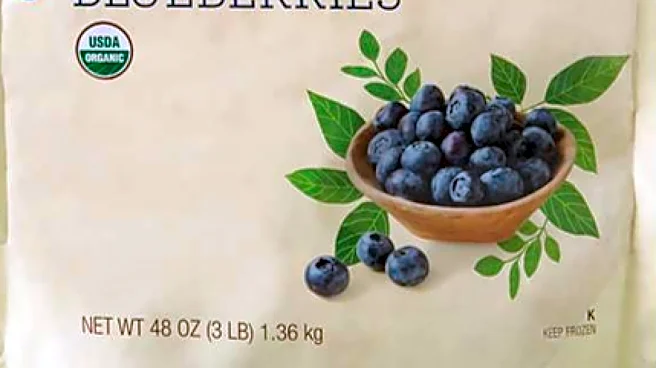
The Food and Drug Administration (FDA) has upgraded the recall of GreenWise Organic frozen blueberries and mixed berries, sold at Publix, to a Class I recall. This is the FDA's most severe classification, indicating that consumption of or exposure to the product
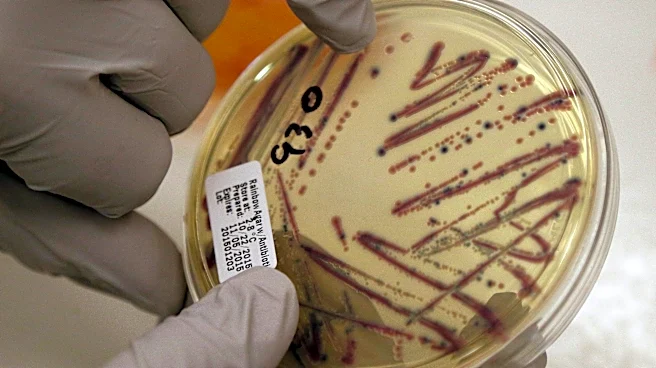
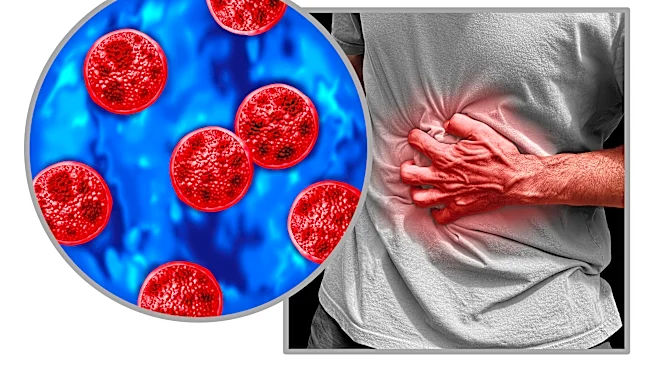
could cause serious health problems or death. The initial recall in July involved one lot of frozen blueberries due to potential E. coli contamination, which Publix later expanded to include all lots of GreenWise Organic Whole Blueberries and Whole Mixed Berries. The FDA has linked these berries to an outbreak that has sickened a dozen people, with four individuals requiring hospitalization. While North Carolina was among the states where the berries were sold, no illnesses have been reported in that state. E. coli contamination can lead to severe stomach cramping, diarrhea, and vomiting. The affected products include GreenWise Organic Whole Blueberries (10-ounce and 48-ounce) and GreenWise Organic Whole Mixed Berries (10-ounce and 48-ounce). The FDA is actively working to determine the source of the contamination.
Why It's Important?
The upgrade of the Publix frozen berry recall to a Class I classification signifies a critical public health threat, underscoring the severe consequences of E. coli contamination in food products. A Class I recall means there is a reasonable probability that consuming these berries could lead to serious adverse health consequences or even death, making immediate consumer action imperative. The link to an outbreak that has already hospitalized four people highlights the tangible danger posed by the contaminated products. For consumers, this event emphasizes the importance of food safety awareness and the need to heed recall notices promptly. For Publix and its suppliers, this recall represents a significant challenge to brand reputation and financial stability, demonstrating the severe repercussions of lapses in food safety protocols. The FDA's ongoing investigation into the source of contamination is crucial for preventing future outbreaks and reinforcing the integrity of the food supply chain. This incident serves as a stark reminder of the continuous vigilance required by both consumers and the food industry to ensure public health and safety.
What's Next?
The FDA advises customers who have purchased any of the recalled GreenWise Organic frozen blueberries or mixed berries to immediately discard them or return them to Publix for a full refund. Consumers experiencing symptoms such as severe stomach cramping, diarrhea, or vomiting after consuming these products should contact their healthcare providers without delay. Publix is expected to continue its efforts to remove all affected products from its stores and to facilitate returns for customers. The FDA's investigation into the source of the E. coli contamination is ongoing, which may lead to further actions, such as identifying specific farms or processing facilities responsible for the contamination. This could result in additional recalls or changes in agricultural and processing practices for frozen berry products. The incident may also prompt other retailers and food producers to review their own food safety and quality control measures for similar products to prevent future outbreaks and ensure consumer safety.
Beyond the Headlines
The Class I recall of Publix's GreenWise Organic frozen berries due to E. coli contamination extends beyond immediate health risks to broader implications for the organic food industry and consumer trust. The 'organic' label often implies a higher standard of safety and quality for many consumers, and an E. coli outbreak in such products can significantly erode that perception. This incident highlights that even organic produce is not immune to contamination risks, emphasizing the need for rigorous food safety practices across all agricultural sectors. It also brings to light the complexities of tracing contamination sources in widely distributed food products, especially those with international supply chains. For the food industry, this recall underscores the critical importance of robust testing, traceability systems, and rapid response mechanisms to protect public health and maintain consumer confidence. Ethically, it raises questions about the responsibility of producers and retailers to ensure the safety of their products, particularly when marketing claims like 'organic' are involved. This event serves as a powerful reminder that food safety is a continuous challenge requiring constant vigilance and collaboration across the entire food system.