


What's Happening?
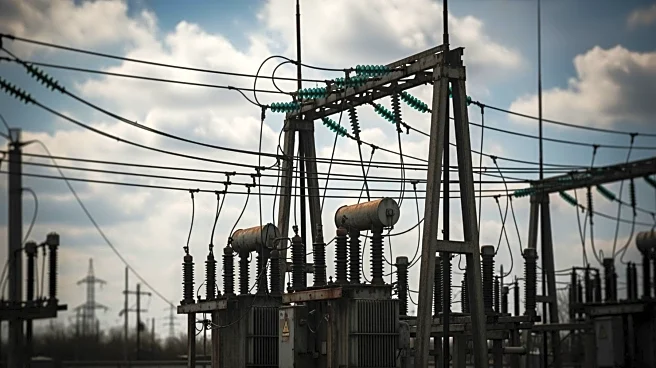
Cuba experienced a nationwide power outage on Saturday, marking the third such incident in March. The blackout was attributed to a failure at the Nuevitas thermoelectric plant in Camaguey province, which triggered a cascading effect across the power grid.
The National Electric Union, which oversees the grid, reported that 'micro-islands' of generating units were activated to supply power to essential services like hospitals and water systems. The outages are exacerbated by an aging infrastructure and a U.S.-imposed oil blockade, which has led to fuel shortages and daily blackouts lasting up to 12 hours. President Miguel Díaz-Canel noted that Cuba has not received oil from foreign suppliers for three months, and the country produces only 40% of the fuel needed to sustain its economy.
Why It's Important?
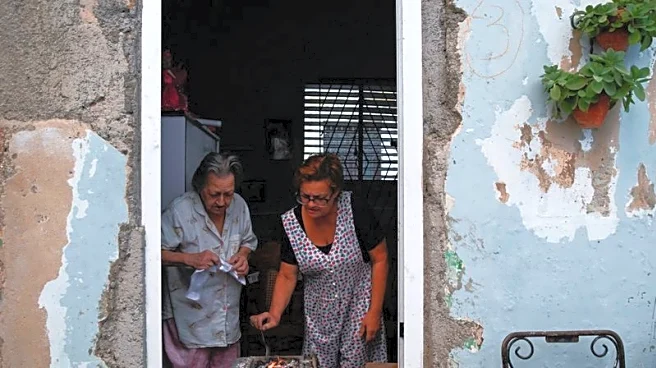
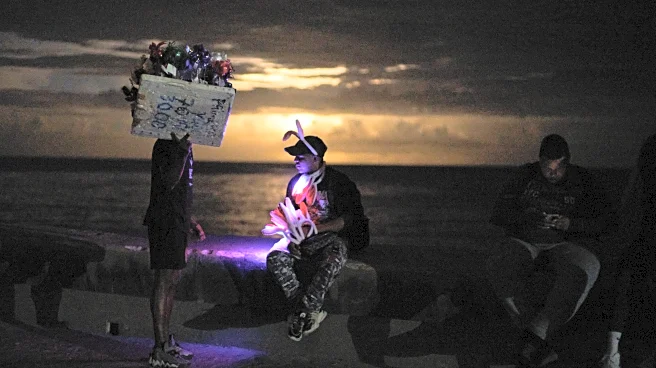
The recurring power outages in Cuba underscore the severe impact of infrastructure decay and international sanctions on the country's economy and daily life. The U.S. oil blockade, part of broader sanctions aimed at pressuring Cuba towards political and economic reforms, has significantly strained the island's energy resources. These blackouts disrupt daily activities, reduce work hours, and lead to food spoilage, affecting the quality of life for Cuban citizens. The situation also highlights the geopolitical tensions between the U.S. and Cuba, with the Trump administration demanding political changes in exchange for lifting sanctions. The ongoing energy crisis could further destabilize Cuba's economy and exacerbate social unrest.
What's Next?
Efforts to restore power are ongoing, but the underlying issues of infrastructure decay and fuel shortages remain unresolved. The Cuban government may seek alternative energy sources or international support to mitigate the crisis. Meanwhile, the U.S. administration's stance suggests that sanctions will continue unless Cuba makes significant political concessions. This standoff could lead to further diplomatic tensions and impact regional stability. The Cuban government's response to these challenges will be crucial in determining the country's economic and social trajectory in the coming months.
Beyond the Headlines
The power crisis in Cuba also raises questions about the ethical implications of using economic sanctions as a tool for political leverage. While intended to pressure the Cuban government, these measures primarily affect the civilian population, leading to hardships that may not necessarily translate into political change. The situation also reflects broader issues of energy dependency and the need for sustainable infrastructure development in countries facing similar challenges. Long-term solutions may require international cooperation and investment in renewable energy sources to reduce vulnerability to external pressures.