





What's Happening?
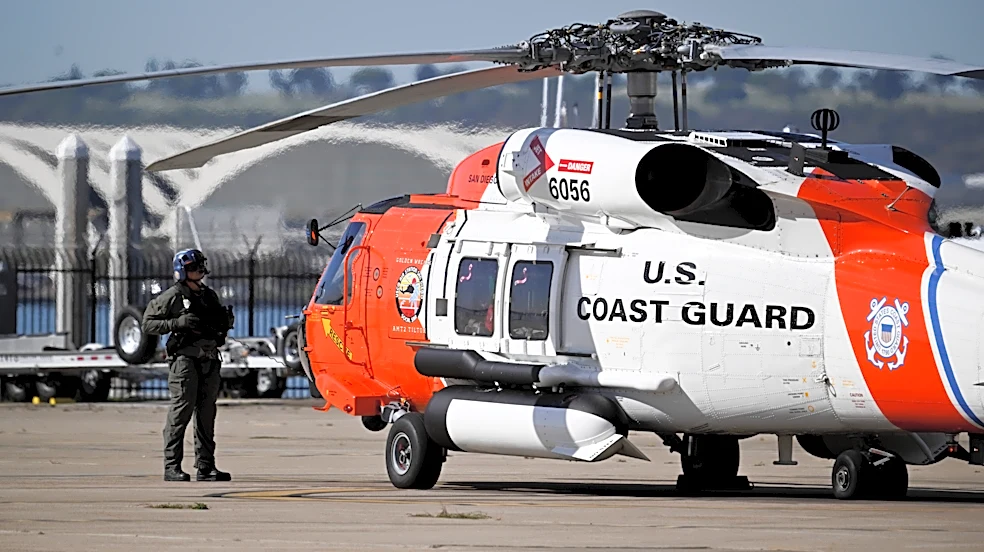
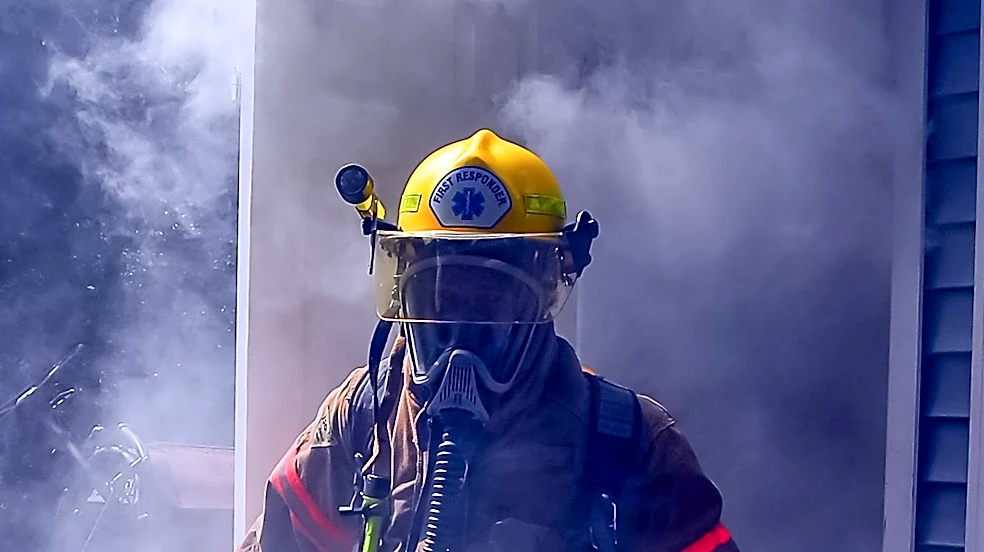
Oregon first responders, including members of the Clackamas Fire District, the U.S. Coast Guard, and the Oregon National Guard, participated in a comprehensive training exercise at Camp Rilea in Warrenton. The drill simulated a large-scale structural
collapse in a coastal town following a tsunami impact, with multiple victims trapped in the rubble. The exercise involved various stages, from initial search and rescue using drones and search dogs to complex extraction operations requiring saws, jackhammers, and drills to breach concrete tunnels. The training culminated in the aerial evacuation of critically injured simulated patients by U.S. Coast Guard MH-65 Jayhawk helicopters. This event was part of broader preparedness efforts, coinciding with the state's Great Oregon Shakeout earthquake drill.
Why It's Important?
This training is crucial for Oregon due to the significant threat posed by the Cascadia Subduction Zone, a 700-mile fault line off the Pacific Northwest coast. Scientists estimate a 37% chance of a 'megathrust' earthquake, similar to the magnitude 9.0 event in 1700, impacting the coast within the next 50 years. Such an event could trigger widespread structural collapses and tsunamis, necessitating a highly coordinated and effective multi-agency response. The exercise helps identify potential operational issues before a real-world incident, ensuring that various agencies can seamlessly collaborate. It also highlights the need for continued investment in response models, as emphasized by Oregon State Fire Marshal Maria Ruiz-Temple, to protect and save Oregonians during such catastrophic events.
What's Next?
The insights gained from this training exercise will likely inform future preparedness strategies and resource allocation for Oregon's emergency response agencies. State Fire Marshal Maria Ruiz-Temple expressed hope that the exercise would initiate discussions about the resources needed for earthquake and tsunami response. This could lead to further investments in urban search and rescue capabilities, potentially expanding the number of 'type 4' Urban Search and Rescue Task Forces beyond the current single unit from the Clackamas Fire Department. Continued inter-agency drills and collaboration are expected to refine protocols and improve overall readiness for a potential Cascadia Subduction Zone event, ensuring that Oregon's first responders are equipped and trained for the complex challenges of a major natural disaster.
Beyond the Headlines
The training at Camp Rilea underscores a broader shift in disaster preparedness, moving beyond just prevention and education to a more robust focus on response capabilities. While retrofitting buildings and public awareness campaigns like the Great Oregon Shakeout are vital, the ability to effectively manage the aftermath of a catastrophic event is equally critical. The exercise also highlights the unique challenges of coastal regions, where the dual threat of earthquakes and tsunamis complicates rescue efforts and requires specialized skills, such as those demonstrated by the U.S. Coast Guard's aerial hoist operations. This integrated approach to disaster management reflects a growing understanding that comprehensive preparedness must encompass the entire disaster cycle, from mitigation to response and recovery, ensuring community resilience in the face of unpredictable natural phenomena.