






What's Happening?
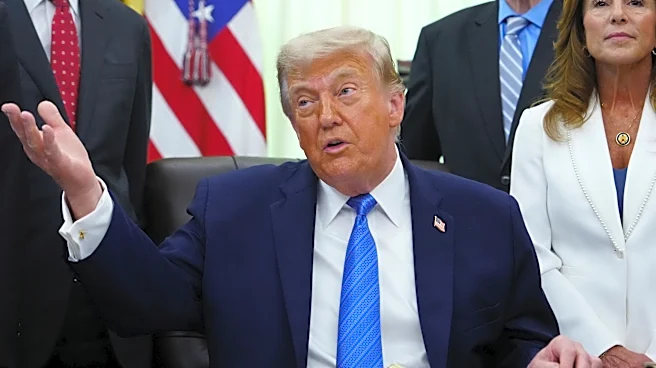
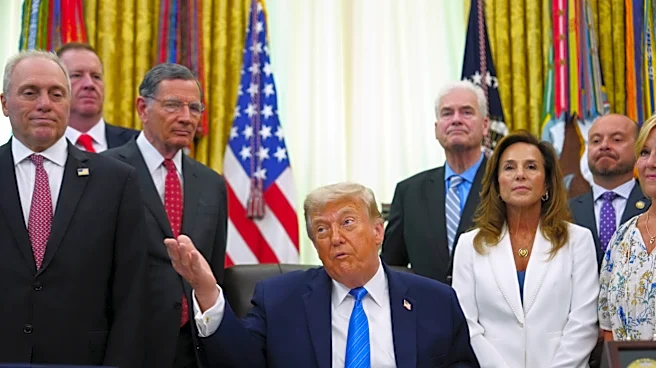
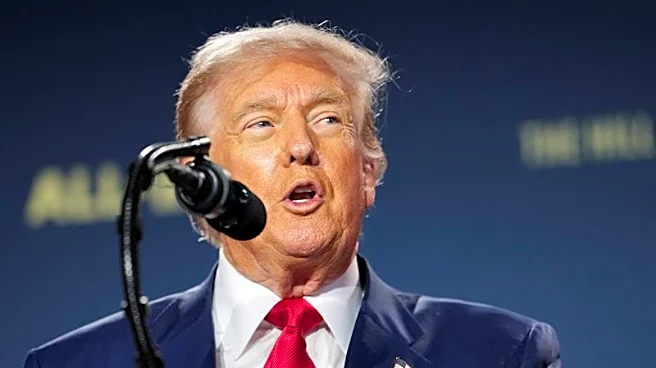
President Donald Trump has announced the 'Great American State Fair' as a patriotic event featuring pavilions from every U.S. state and territory. However, several states, including Oregon, Washington, Massachusetts, and North Carolina, have opted out
of participating. These states cited concerns over the costs and the perceived partisan nature of the event. The fair, organized by the Trump-aligned nonprofit Freedom 250, is set to open on June 25 on the National Mall and will last for about two weeks. Despite some states' withdrawal, Freedom 250 assures that all states and territories will be represented, with pavilions showcasing each state's unique culture and history. The event has faced criticism for its political overtones and lack of transparency, with some watchdog groups raising concerns about the nonprofit's donor disclosure practices.
Why It's Important?
The decision by several states to withdraw from the 'Great American State Fair' highlights the ongoing political polarization in the U.S. and the challenges of organizing national events that are perceived as partisan. The fair is part of a series of events celebrating America's 250th anniversary, and its execution could influence public perception of national unity and patriotism. The controversy surrounding the event also underscores the importance of transparency and nonpartisanship in public celebrations. The states' withdrawal may impact the fair's overall success and could lead to further scrutiny of the Trump administration's involvement in national commemorations.
What's Next?
As the fair approaches, Freedom 250 and the Trump administration may face increased pressure to address concerns about the event's partisan nature and transparency. The administration is also dealing with legal challenges, such as a lawsuit seeking to stop a UFC fight at the White House, which is part of the 250th celebrations. The outcome of these legal proceedings and the fair's reception could influence future national events and the administration's approach to public celebrations. Additionally, the states that have opted out may continue to focus on their own America 250 events, potentially setting a precedent for how states choose to participate in national commemorations.