





What's Happening?
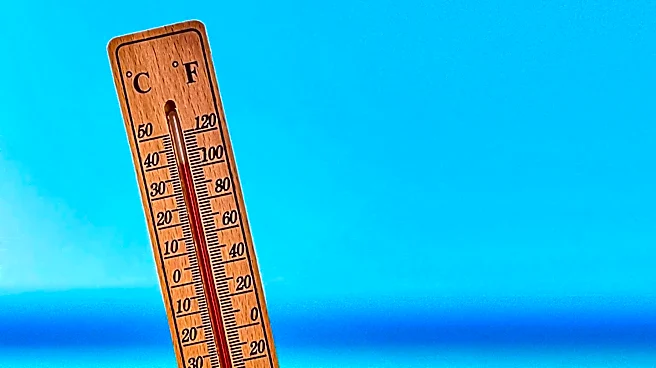
Europe is experiencing a significant shift in consumer behavior as record-breaking heatwaves drive a surge in air conditioner sales. Western Europe recorded its hottest June on record, with temperatures soaring above 100 degrees Fahrenheit. This has led
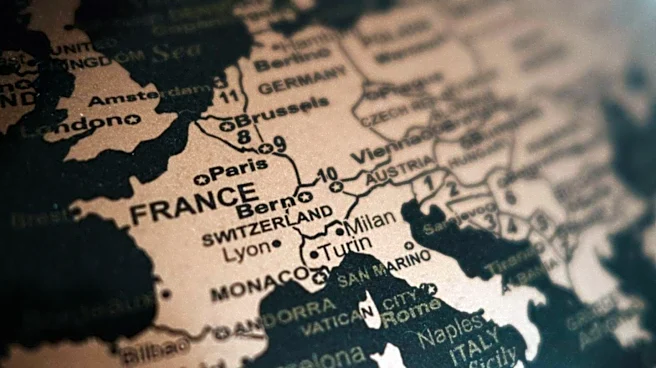
to a dramatic increase in air conditioner purchases, as Europeans seek relief from the relentless heat. According to Alexandre Loeur, a senior research manager at Euromonitor International, air conditioning is moving beyond a niche category in several European countries, indicating a structural trend rather than a temporary spike. The increase in air conditioner sales is particularly notable in countries like Italy, Spain, and France, where manufacturers report double-digit growth. The European mortality monitoring network, EuroMOMO, estimated that excess deaths across Europe rose significantly during the heatwave, highlighting the serious public health risks posed by extreme temperatures.
Why It's Important?
The surge in air conditioner sales in Europe underscores the growing impact of climate change on consumer behavior and public health. As heatwaves become more frequent and intense, the demand for cooling solutions is expected to rise, potentially leading to increased energy consumption and environmental concerns. The shift also reflects a cultural change in Europe, where air conditioning has traditionally been viewed as a luxury rather than a necessity. This trend could have significant implications for energy policies and infrastructure development in the region. Additionally, the increase in heat-related deaths highlights the urgent need for effective public health strategies to mitigate the risks associated with extreme weather events.
What's Next?
As Europe continues to grapple with the effects of climate change, governments and industries may need to adapt to the growing demand for air conditioning. This could involve investing in more sustainable cooling technologies and improving energy efficiency standards. Policymakers might also need to address the potential environmental impact of increased air conditioner usage, such as higher greenhouse gas emissions. Furthermore, public health initiatives may be necessary to protect vulnerable populations from the dangers of extreme heat. The ongoing trend suggests that Europe is approaching a tipping point in its relationship with air conditioning, which could lead to long-term changes in consumer habits and energy consumption patterns.