






What's Happening?
The UK Health Security Agency (UKHSA) employs syndromic surveillance systems to monitor various health threats in real-time. These systems analyze data from National Health Service (NHS) sources, including NHS 111, general practitioners (GP), and emergency
departments. This monitoring is crucial for tracking trends in diseases such as hand, foot, and mouth disease (HFMD) and norovirus. For instance, in September 2026, increases in GP consultations for HFMD were identified, particularly among children aged 1 to 4 years. The current trend for HFMD in 2026 is following a pattern of higher activity, consistent with a 2 to 3-yearly cycle observed in previous years. Additionally, UKHSA is strengthening norovirus surveillance, including implementing more sophisticated typing methods and developing next-generation sequencing capabilities to better understand viral evolution and improve surveillance outputs ahead of the 2026/27 winter season. This enhanced surveillance aims to provide more detailed monitoring of circulating noroviruses and their potential impact.
Why It's Important?
The use of syndromic surveillance by UKHSA is vital for public health in the UK, enabling early detection and response to disease outbreaks. By monitoring real-time data from various NHS touchpoints, health authorities can quickly identify emerging health threats and seasonal trends, such as the increase in HFMD cases or norovirus activity. This proactive approach allows for timely public health interventions, resource allocation, and the dissemination of preventative measures. For example, understanding the cyclical nature of HFMD helps clinicians and NHS services prepare for increased case presentations. Similarly, strengthening norovirus surveillance, including the adoption of dual-typing methodology, provides a more sensitive way to detect the emergence of recombinant noroviruses, which can significantly impact healthcare systems due to their high transmissibility and potential to cause widespread outbreaks. This improved data collection and analysis are crucial for mitigating the burden on the NHS, especially during winter months when norovirus activity typically peaks.
What's Next?
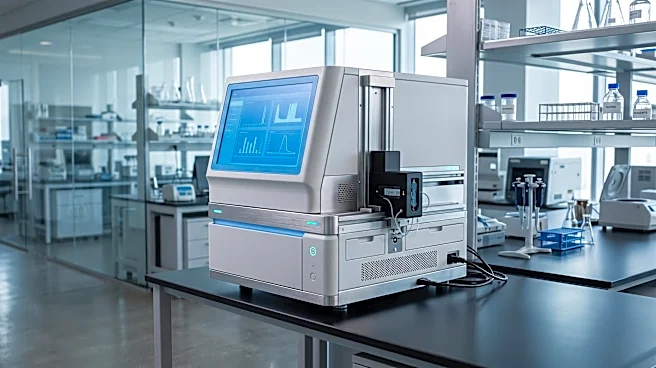
UKHSA plans further epidemiological and microbiological investigations to better understand the specific enteroviruses circulating and associated with increased HFMD presentations this season. This work will also help determine if HFMD seasonality in England follows a consistent 2 to 3-year cycle, which will inform future planning for NHS services. For norovirus, UKHSA will continue to strengthen its genomic surveillance by developing next-generation sequencing capabilities, with sequences for the 2026/27 season to be published. This will allow for full sequencing of a subset of noroviruses, providing deeper insights into viral evolution. The agency will also continue to provide weekly updates on national norovirus laboratory report data through its dashboard and official statistics reports during the winter months. These ongoing efforts aim to enhance preparedness for future disease outbreaks and improve public health responses.
Beyond the Headlines
The sophisticated syndromic surveillance systems employed by UKHSA represent a broader trend in public health towards data-driven, real-time monitoring of disease. This approach moves beyond traditional reporting methods, leveraging diverse data streams to create a more comprehensive and immediate picture of population health. The continuous refinement of these systems, such as the implementation of dual-typing and next-generation sequencing for norovirus, highlights the evolving nature of infectious disease surveillance. This technological advancement not only improves the accuracy of outbreak detection but also contributes to a deeper scientific understanding of viral epidemiology and evolution. The insights gained from such detailed surveillance can inform global health strategies, as patterns observed in one region can often provide valuable foresight for others. This proactive, data-intensive strategy is crucial for building resilience against future pandemics and managing endemic diseases more effectively, ultimately safeguarding public health on a larger scale.