



What's Happening?
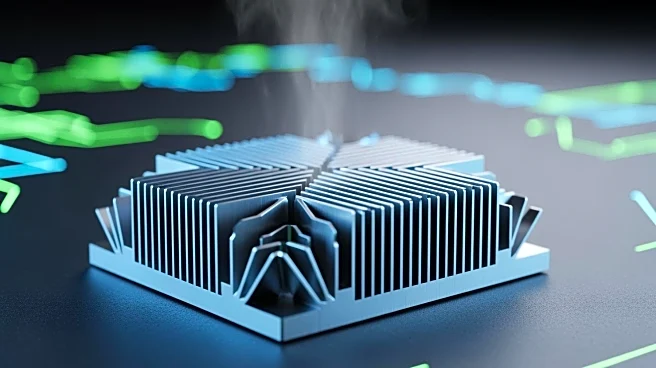
The integration of artificial intelligence (AI) and machine learning (ML) into military systems has significantly increased the heat generated by these technologies, necessitating advanced cooling solutions. Traditional cooling methods, such as fans and vents,
are inadequate for the high-density, high-power embedded systems used in modern defense applications. The defense sector is now adopting advanced cooling methods like direct air flow-through (AFT) and liquid flow-through (LFT) systems. These methods are more efficient in removing heat by circulating coolants directly over or through heat-generating components. LFT, in particular, is crucial for mission-critical electronics that require stability during sustained high workloads. Companies like nVent SCHROFF are at the forefront of developing these technologies, aligning with industry standards such as VITA 48 to ensure interoperability and reliability.
Why It's Important?
The shift towards advanced cooling technologies is critical for maintaining the performance and reliability of military electronics under extreme conditions. As AI and ML applications in defense continue to grow, the demand for efficient thermal management solutions will increase. This development is significant for the U.S. defense industry, as it ensures that military systems can operate effectively in harsh environments, thereby enhancing national security. The adoption of these technologies also supports the longevity and scalability of military electronics, reducing the need for frequent upgrades and maintenance. Companies that lead in this innovation, like nVent SCHROFF, are positioned to play a crucial role in the future of defense technology, potentially influencing industry standards and practices.
What's Next?
As the defense sector continues to integrate AI and ML into its systems, the demand for advanced cooling solutions is expected to rise. Future developments may include further innovations in cooling technologies and the establishment of new industry standards to accommodate evolving military needs. Companies involved in this sector may increase their research and development efforts to stay ahead of technological advancements. Additionally, there may be increased collaboration between defense contractors and technology firms to develop more efficient and reliable cooling systems. The ongoing evolution of military electronics will likely drive continuous improvements in thermal management solutions.
Beyond the Headlines
The integration of advanced cooling technologies in military electronics not only addresses immediate thermal management challenges but also sets the stage for future innovations in defense technology. This development highlights the importance of considering thermal management as a primary design factor rather than an afterthought. It also underscores the need for industry-wide collaboration to establish standards that ensure the interoperability and reliability of these systems. As military electronics become more sophisticated, the role of thermal management will become increasingly critical, influencing the design and functionality of future defense technologies.