





What's Happening?
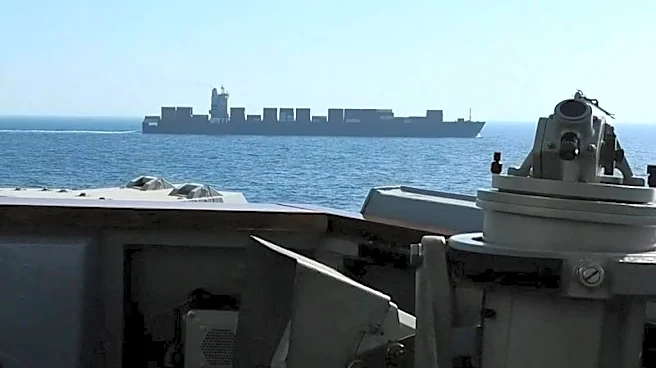
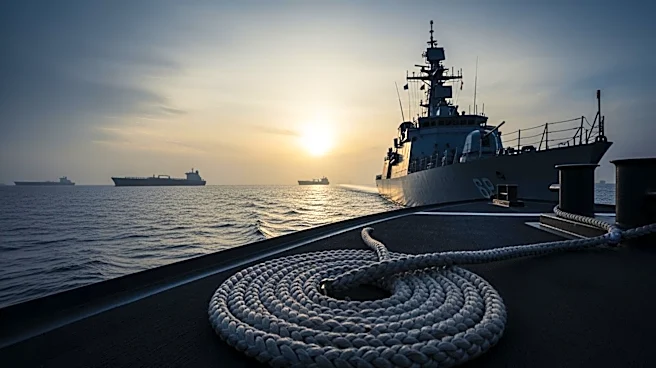
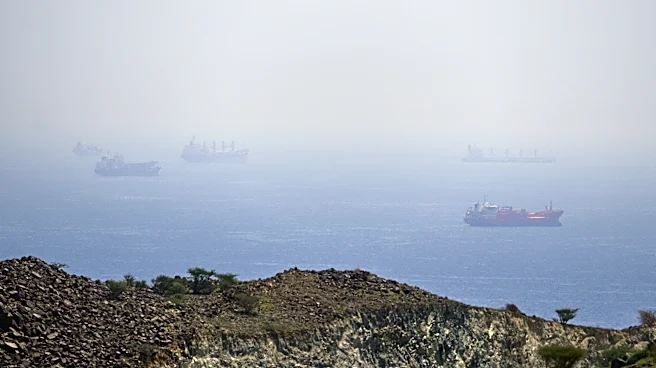
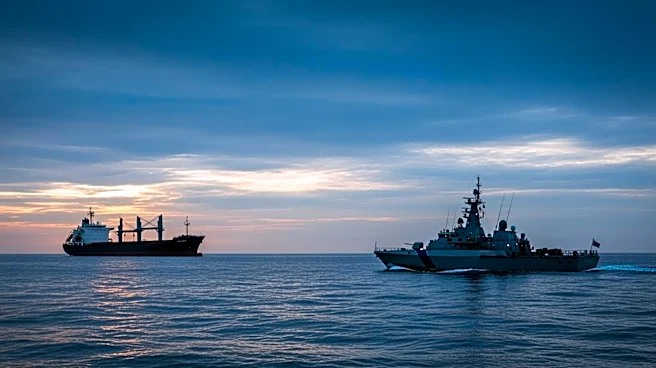
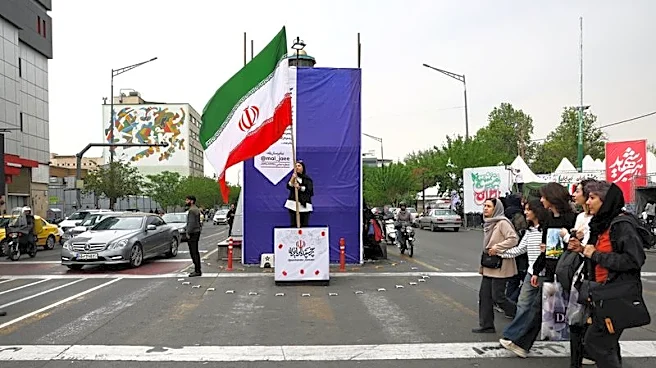
The U.S. and Iran are experiencing heightened tensions as the U.S. seized an Iranian-flagged cargo ship, accusing it of attempting to breach an American naval blockade. President Trump announced the interception in the Gulf of Oman, which Iran has labeled
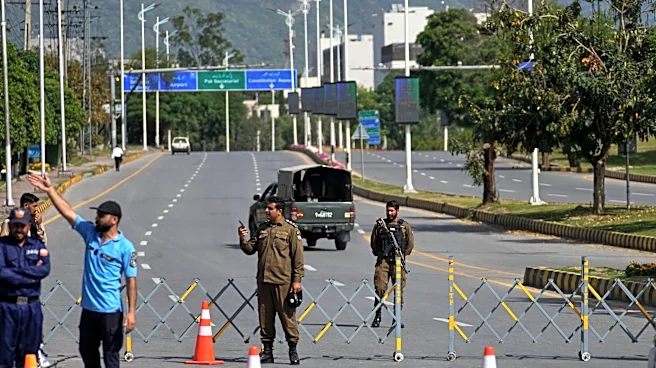
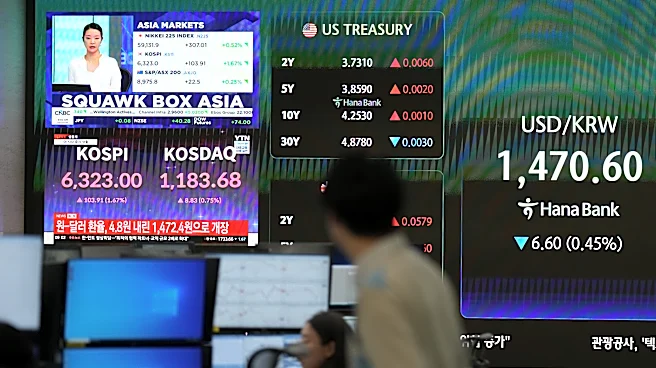
as an 'act of armed piracy and theft.' The incident comes as both nations are at odds over when to resume peace talks, with conflicting reports about negotiations in Pakistan. The situation has led to increased volatility in oil prices and stock futures, reflecting the geopolitical uncertainty.
Why It's Important?
The seizure of the Iranian ship and the subsequent diplomatic fallout underscore the fragile state of U.S.-Iran relations, which have significant implications for global security and economic stability. The Strait of Hormuz, a critical chokepoint for global oil shipments, is at the center of these tensions, affecting oil prices and market stability. The situation also impacts U.S. foreign policy and could influence domestic political dynamics, particularly in the context of President Trump's approval ratings and upcoming elections.
What's Next?
Negotiations between the U.S. and Iran may continue, with Vice President JD Vance and other officials expected to travel to Pakistan for talks. However, the prospects for successful discussions remain uncertain, with Iran denying any scheduled meetings. The geopolitical tensions could lead to further military or diplomatic actions, affecting international relations and economic conditions.