







What's Happening?
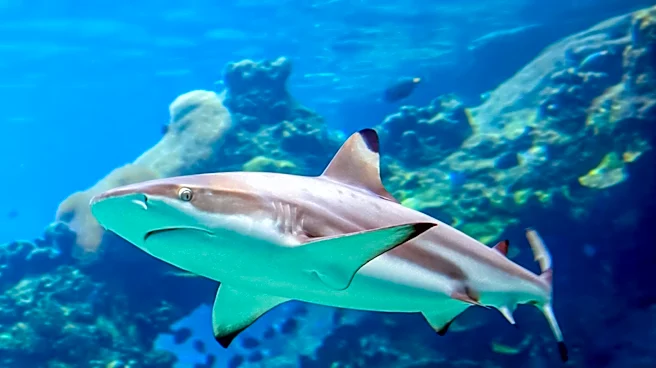
Biscayne Bay, Florida, has been officially recognized as an Important Shark and Ray Area (ISRA) by the International Union for Conservation of Nature Species Survival Commission Shark Specialist Group. This designation acknowledges the bay as a crucial
habitat for nine shark and two ray species, including those listed as threatened and endangered. The recognition is based on a decade of research led by the University of Miami Rosenstiel School of Marine, Atmospheric, and Earth Science. The studies reveal that Biscayne Bay serves as a vital nursery and reproductive ground, as well as an important feeding area, for various species such as bonnetheads, nurse sharks, great hammerheads, and tiger sharks. Researchers have documented an unusually high concentration of young sharks in the bay, highlighting its significance as a productive shark nursery adjacent to a major metropolitan area. This designation comes as the bay faces increasing environmental pressures from warming waters, declining water quality, and coastal development, with waters warming at an estimated 6.9 times faster than the global ocean average.
Why It's Important?
The designation of Biscayne Bay as an ISRA is significant for U.S. conservation efforts, particularly in Florida, which is a critical region for marine biodiversity. This recognition provides scientific evidence that can inform fisheries management, environmental impact assessments, and marine spatial planning, ensuring that the critical habitats of sharks and rays are considered in future development and conservation decisions. The bay's role as a nursery for multiple shark species underscores its ecological value, contributing to the health of broader marine ecosystems. Protecting these apex predators is crucial for maintaining the balance of ocean environments. The ongoing environmental challenges, such as rapid warming and declining water quality, pose a direct threat to these species and the overall health of the bay. This designation can help mobilize resources and policy changes to mitigate these threats, potentially safeguarding not only shark and ray populations but also the economic and recreational benefits derived from a healthy marine environment in South Florida.
What's Next?
The ISRA designation does not automatically impose new legal restrictions or establish a marine protected area. Instead, it provides a stronger scientific basis for decision-makers to consider sharks and rays when evaluating activities that could impact the bay's water quality and habitat. This means that federal, state, and local planning processes, as well as international conservation commitments, will now have robust data to support more informed decisions regarding Biscayne Bay. Researchers plan to continue monitoring how sharks and rays utilize the bay and how environmental changes might affect their health, reproduction, and survival. This ongoing research will be crucial for adapting conservation strategies and ensuring the long-term viability of these species. The designation is expected to influence future policy discussions and potentially lead to more stringent environmental protections and sustainable management practices in the region.
Beyond the Headlines
The recognition of Biscayne Bay as an Important Shark and Ray Area highlights a broader shift in conservation strategies towards identifying and protecting critical habitats, rather than solely focusing on individual species. This approach acknowledges the interconnectedness of ecosystems and the foundational role that apex predators like sharks play in maintaining marine health. The fact that such a vital ecosystem exists alongside a major metropolitan area like Miami underscores the potential for coexistence between urban development and robust wildlife populations, provided there are concerted conservation efforts. However, the rapid warming of Biscayne Bay's waters, significantly faster than the global average, points to the urgent and localized impacts of climate change. This situation presents a complex challenge, requiring innovative solutions that integrate climate resilience with traditional conservation practices to ensure the long-term survival of these essential marine species.