

What's Happening?
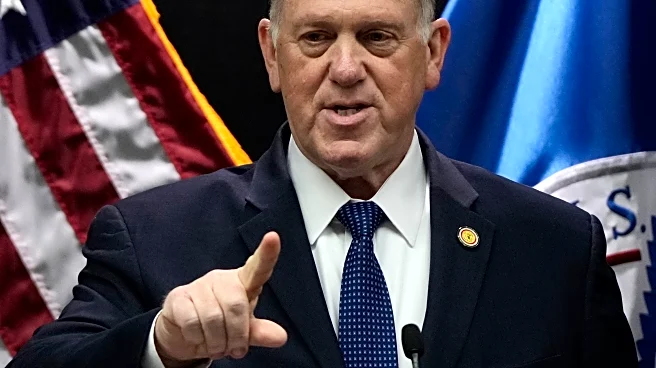
Bucks County Sheriff Danny Ceisler has officially ended a formal partnership with U.S. Immigration and Customs Enforcement (ICE), a program that was previously established by former Sheriff Fred Harran. This decision fulfills a campaign promise made by Ceisler and effectively
halts the deputizing of county deputies to assist in federal immigration operations. While this move removes the sheriff's office from direct participation in ICE activities, it does not prevent ICE from operating within Bucks County. Ceisler emphasized that the previous agreement granted deputies 'extraordinary powers,' allowing them to stop and detain individuals suspected of being in the country without authorization. Despite ending the partnership, Ceisler assured that his office will maintain open communication with ICE and other law enforcement agencies, clarifying that Bucks County is not a sanctuary county.
Why It's Important?
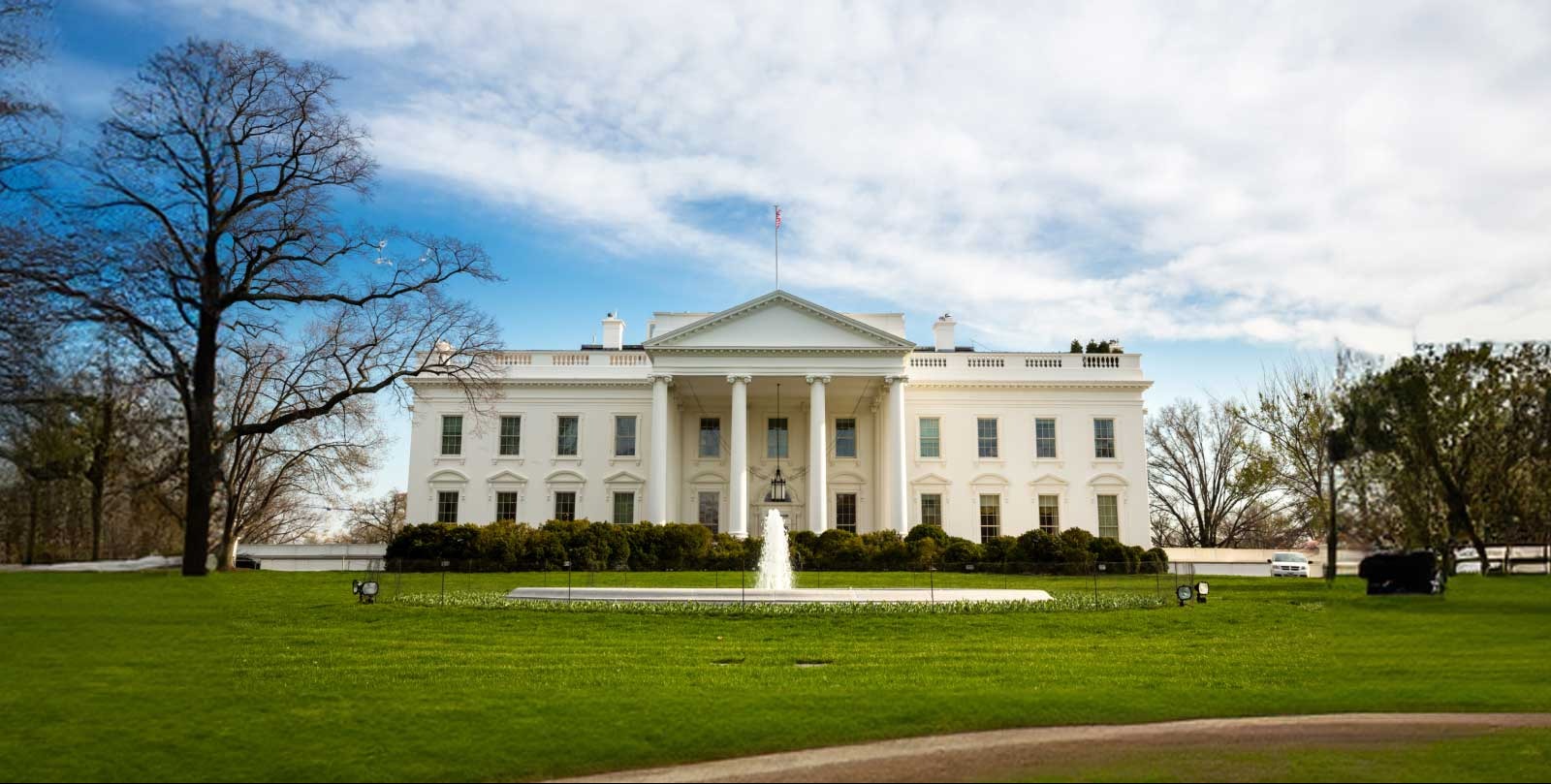
The termination of the ICE partnership by Sheriff Ceisler is significant as it reflects a shift in local law enforcement's role in federal immigration enforcement. This decision could impact how immigration laws are enforced in Bucks County, potentially affecting the local immigrant community and altering the dynamics between federal and local law enforcement. The move has drawn a response from the White House, which criticized the decision, suggesting it could hinder efforts to remove dangerous individuals from the streets. This development highlights the ongoing national debate over immigration enforcement and the role of local authorities in supporting federal initiatives. It also contrasts with the stance of other local officials, such as Philadelphia Sheriff Rochelle Bilal, who has taken a more confrontational approach towards ICE operations.
What's Next?
Following the end of the ICE partnership, it is likely that Bucks County will continue to navigate its relationship with federal immigration authorities. Sheriff Ceisler's decision may prompt further discussions and potential policy adjustments at both local and federal levels. The response from the White House indicates that federal authorities may seek alternative strategies to enforce immigration laws in areas where local cooperation is reduced. Additionally, the differing approaches among local officials, such as those in Philadelphia and Atlantic City, suggest that the debate over immigration enforcement will continue to evolve, potentially influencing future elections and policy decisions.