


What's Happening?
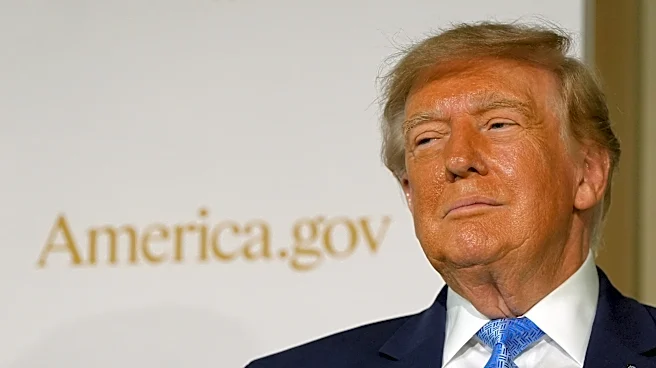
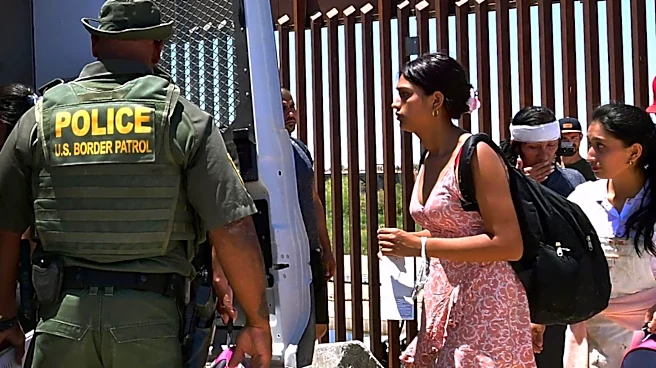
President Trump's border czar, Tom Homan, has sharply criticized Maryland Governor Wes Moore and Virginia Governor Abigail Spanberger for their recent actions concerning U.S. Immigration and Customs Enforcement (ICE). Homan stated that ICE is continuing
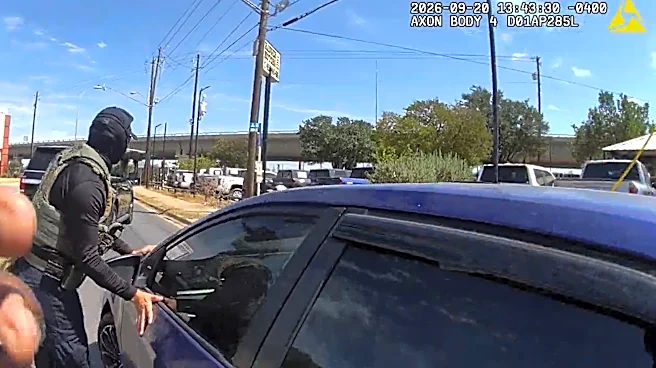
its enforcement surge in Virginia and Maryland. Governor Moore signed a new law banning law enforcement officers, including federal agents like ICE, from wearing masks or face coverings, which Homan dismissed as ineffective against federal operations. In Virginia, Governor Spanberger is criticized for not honoring ICE immigration detainers, preventing state troopers from collaborating with ICE on arresting violent criminals, and effectively ending local 287(g) agreements. Homan accused Spanberger of betraying taxpayers and prioritizing politics over public safety, citing instances where violent criminals released from custody have allegedly committed further crimes.
Why It's Important?
This situation highlights a growing tension between federal immigration enforcement agencies and certain state and local governments. The criticism from the White House underscores a broader national debate about states' rights versus federal authority in immigration matters. Governor Moore's mask ban, while ostensibly for public safety, is seen by federal officials as an impediment to their operations, potentially increasing risks for agents. Governor Spanberger's policies, which limit cooperation with ICE, reflect a sanctuary-like approach that aims to protect immigrant communities but is viewed by federal authorities as undermining efforts to remove dangerous individuals. This divergence in policy creates a fragmented enforcement landscape, potentially impacting public safety, the effectiveness of immigration laws, and the relationship between federal and local law enforcement agencies.
What's Next?
The White House, through its border czar, is likely to continue its vocal opposition to state-level policies that it perceives as hindering federal immigration enforcement. ICE is expected to proceed with its operations in Maryland and Virginia, potentially seeking alternative methods to conduct arrests and removals if state cooperation remains limited. The legal validity of state laws that attempt to restrict federal agents, such as the mask ban, may be challenged or tested in practice. Furthermore, the ongoing political rhetoric could intensify, influencing upcoming elections and public opinion on immigration. Local sheriffs, like Fairfax County Sheriff Stacey Kincaid, who do not honor ICE detainers, will likely remain under federal scrutiny, potentially facing increased pressure or legal challenges to their policies. This dynamic suggests a continued struggle over jurisdiction and policy direction in immigration enforcement.
Beyond the Headlines
This conflict extends beyond immediate policy disputes, touching upon fundamental questions of federalism and the role of states in national policy. The debate over mask bans for law enforcement and non-cooperation with ICE detainers reflects differing philosophies on public safety, civil liberties, and the integration of immigrant populations. The White House's strong stance could further polarize the political landscape, making bipartisan solutions to immigration reform more challenging. Moreover, the narrative of 'illegal immigrant crime' used by federal officials can contribute to stigmatization and fear within immigrant communities, potentially discouraging reporting of crimes and fostering distrust in law enforcement. This ongoing tension could lead to long-term shifts in how federal and state governments interact on immigration issues, potentially setting precedents for future intergovernmental relations.