

What's Happening?
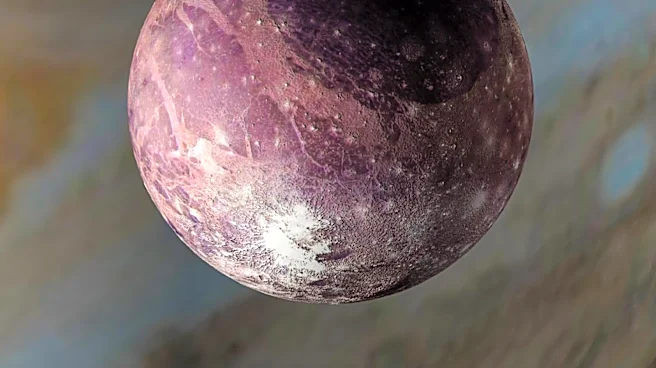
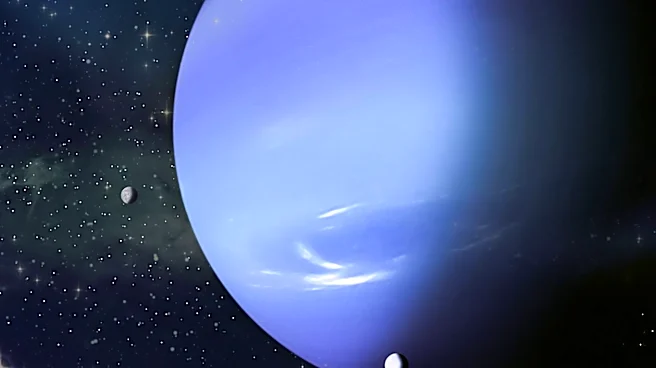
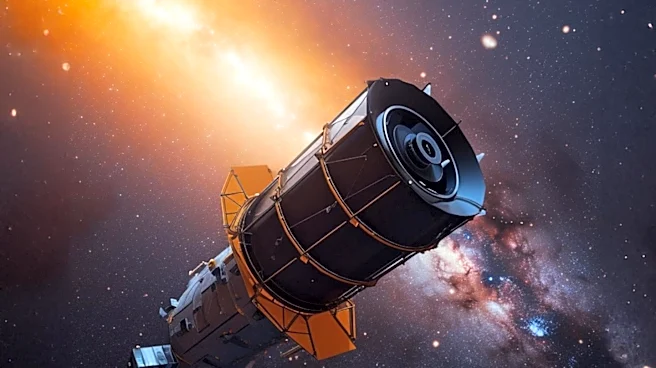
New findings from NASA's James Webb Space Telescope have uncovered evidence of a catastrophic event in Neptune's past. The research, led by planetary scientist Ryleigh Davis, indicates that Neptune's largest moon, Triton, was captured by the planet's
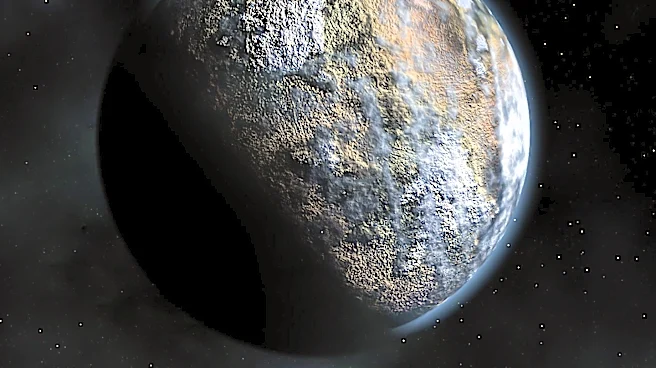
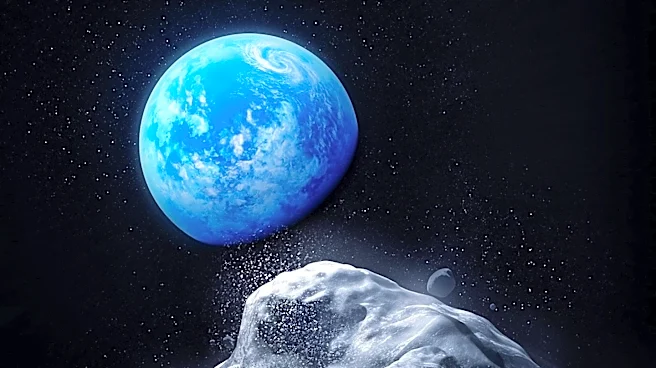
gravity, leading to a series of collisions among Neptune's original moons. This event, occurring billions of years ago, resulted in the formation of Neptune's current inner moons and rings from the debris. The study highlights the presence of clay minerals on these moons, suggesting they originated from a larger ancient world.
Why It's Important?
This discovery provides significant insights into the dynamic and violent history of our solar system. Understanding the formation and evolution of Neptune's moons can offer clues about the processes that shaped other planetary systems. The findings challenge existing models of moon formation and highlight the role of random cosmic events in altering planetary architectures. This research could influence future studies on planetary formation and the potential for similar events in other parts of the universe.