
What's Happening?
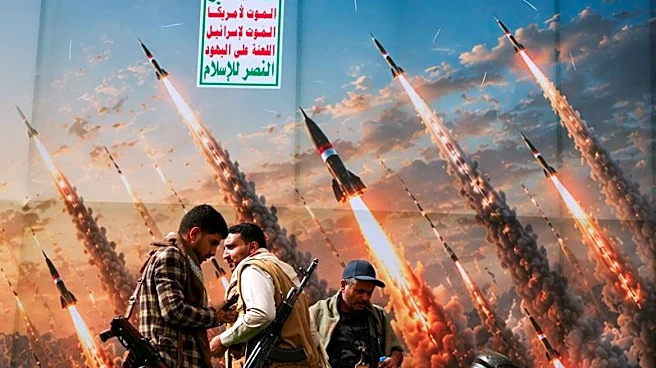
International airlines have prolonged flight suspensions to Saudi Arabia, with services to Riyadh and other regional destinations facing continued disruption due to renewed missile and drone attacks. Saudi Arabia's
military coalition recently reported intercepting missiles targeting Riyadh and the southern part of the country, along with a drone over the Eastern Province. Yemen's Iran-aligned Houthi movement has claimed responsibility for these attacks, which have targeted Saudi infrastructure, including King Khalid International Airport. This follows weeks of aviation network disruption in the kingdom, leading to cancellations and heightened security measures. Several airlines, including Etihad Airways and flydubai, have extended their suspensions, while European carriers like ITA Airways and British Airways have postponed their return to the region, with some services not resuming until early 2027. KLM and Singapore Airlines have also extended suspensions of their Dubai services into 2027, reflecting ongoing uncertainty in international routes through the Gulf.
Why It's Important?
The extended flight suspensions highlight the significant impact of regional instability on international aviation and commerce. The continued Houthi attacks on Saudi Arabian infrastructure, including airports and oil facilities, pose a direct threat to civilian travel and energy security. For the U.S. and its allies, this situation underscores the broader challenges of maintaining stability in the Middle East and protecting critical global supply chains. The disruption affects not only passenger travel but also cargo operations, potentially leading to increased costs and delays for businesses reliant on air freight. The European Union Aviation Safety Agency (EASA) and the UK's Foreign, Commonwealth & Development Office (FCDO) maintaining conflict-zone advisories further emphasizes the perceived risk, influencing insurance rates and operational decisions for airlines worldwide. This ongoing conflict could also impact global oil prices and energy markets, given Saudi Arabia's role as a major oil exporter.
What's Next?
Airlines will likely continue to monitor the security situation closely, with further extensions or adjustments to flight schedules possible depending on the frequency and severity of future attacks. The European Union Aviation Safety Agency (EASA) advisory for Saudi Arabia is currently valid until November 16, and its renewal or modification will be a key indicator for airlines. Travelers to and from the region should anticipate continued disruptions, including cancellations, longer journey times, and potential changes to connecting services. The ongoing conflict between the Houthis and the Saudi-led coalition suggests that the security environment will remain volatile, necessitating sustained vigilance from aviation authorities and carriers. Diplomatic efforts to de-escalate tensions in Yemen and the broader Middle East will be crucial in restoring stability and ensuring the safety of air travel in the region.
Beyond the Headlines
The persistent Houthi attacks and subsequent flight suspensions reveal a deeper geopolitical struggle with far-reaching implications beyond immediate travel disruptions. The targeting of civilian infrastructure, including airports, raises ethical concerns about the conduct of conflict and the protection of non-combatants. The economic impact extends to tourism, trade, and investment in the region, potentially deterring foreign businesses and visitors. Furthermore, the reliance on air defense systems to intercept missiles and drones highlights the evolving nature of modern warfare and the challenges of protecting vast territories from asymmetric threats. The situation also underscores the interconnectedness of global security, where regional conflicts can quickly affect international travel, commerce, and the broader global economy, prompting a re-evaluation of risk assessments for international operations.